Put simply, they are a good exfoliant (one you have some restraint with), a broad-spectrum sunscreen, a serum for targeted treatment, a hydrating moisturiser and a cleanser of the gentle variety. With those five in hand and applied as they should be, you will have all the basics for sun protection, texture, acne control and any ageing concerns, not to mention overall comfort and health.
I am Isadora Fletcher. After years spent in treatment rooms I can say that most would do well to have a bathroom cabinet that is not as full as a sardine tin. What is required are the right essentials and the right order of application, along with an expectation of what is realistic. It is about making a plan and being less of a magpie when it comes to buying more.
The Five That Matter
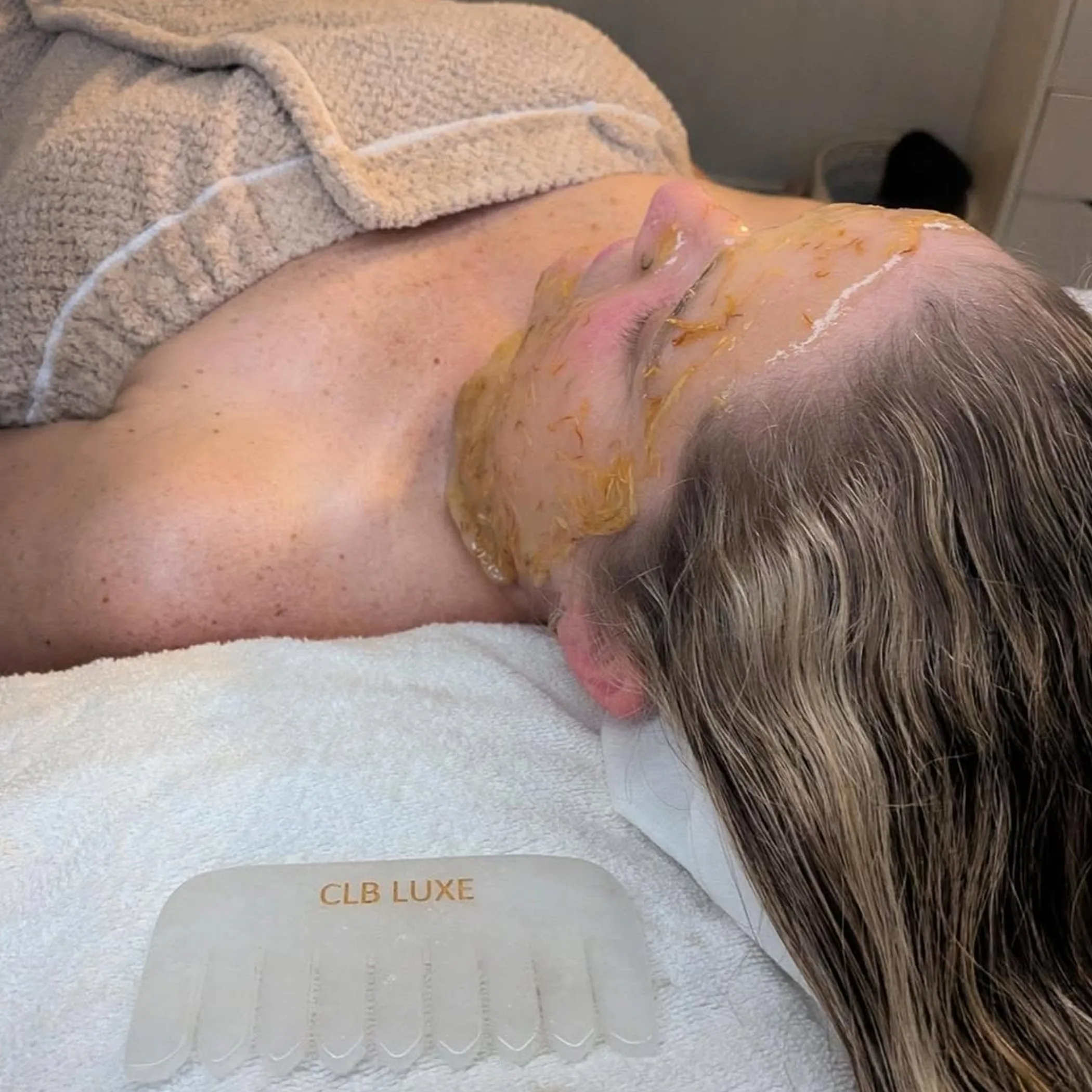
One is not alone in feeling adrift in the skincare aisle. The beauty market of today has a way of making you think every bottle on the shelf is going to change your life; rather a lot, if you ask me. In fact, the following skin care products are important because your skin will register the core job each one does.
Consider this a no-fuss way to get to know the top 5, with sufficient detail to put together a routine that has some merit in the real world, as opposed to at 10 pm under the bathroom lights when optimism runs high.
| Product | Main Job | When To Use | Best For |
| Gentle Cleanser | Get rid of debris, oil, sweat and sunscreen | AM/PM | All skin types |
| Hydrating Moisturiser | Lessen water loss and support the barrier | AM and PM | Oily, dry, sensitive or combination (with the right texture) |
| Broad-Spectrum Sunscreen | Ward off UV damage, pigmentation and early ageing | Each morning, reapply | Everyone |
| Targeted Serum | For dullness, dark spots, ageing or acne | AM or PM as the active dictates | Those with a particular aim in mind |
| Exfoliant | Even out tone and address congestion and texture | 3 times a week at most | Most, provided you are careful |
Start With Clean Skin
It may not be the most glamorous part of the regimen but a cleanser is where the heavy lifting is done. Without it, the rest of what you put on your face is akin to mopping before you have swept.
Too often people make the mistake of going for something harsh. Do not be fooled by the squeaky-clean sensation for evidence of a job well done; it is more likely your skin barrier has been stripped, resulting in tight, flaky or shiny skin, sometimes all of the above.
What To Look For
You want to be able to wash away the grime without your face feeling rough. A formula with low irritation is in order: cream or lotion for the dry and sensitive, gel for the oilier complexions, and go fragrance-free if your face is prone to reacting to anything. Cerave and Cetaphil are frequently put forward as they are easy to come by and unpretentious. But there is nothing magical about a brand, the best is the one your skin puts up with time and again.
When To Use It
A proper cleanse in the evening is called for to take off the makeup, sunscreen and general muck of the day. Some like a thorough wash in the morning, though a simple rinse or mild wash will do for the dry or sensitive. I have seen clients with redness put right by foregoing the aggressive foaming wash for something milder rather than slapping on fancy actives. Not very thrilling but then much of good skincare is.
Seal In Moisture
There is no point in a moisturiser if you are going to let your skin be cranky. It will reduce transepidermal water loss and prop up the skin barrier. Yet some with oily skin will pass over this essential product thinking they are fine without hydration. They are not.
Moisturiser is not meant to douse your face in cream but to see to it that the outer layer is in working order. An unhappy barrier and everything else will sting and peel.
Choose The Right Texture
For the dry skinned, a cream with ceramides, glycerin, squalane or hyaluronic acid is preferable. If you are prone to acne or have oily skin, a gel-cream or a lighter lotion is usually the way to go. For sensitive skin the answer is usually to keep it straightforward with a no-frills, fragrance-free moisturiser and not too many active add-ons.
Then there is the question of what one needs in the way of skin care products. Moisturiser is a given; you cannot do without it. Skin that has been properly supported will look healthier than any amount of scrubbing will achieve.
Common Mistakes
One is to let your skin get to the point of dryness before making an attempt at remediation with some thick product that will only pill under your makeup or sunscreen. Or you put on a retinol / retinoid or treatment serum and fail to bolster it with more moisturiser. Irritation will show up like a mozzie you did not ask for.
Sun Damage
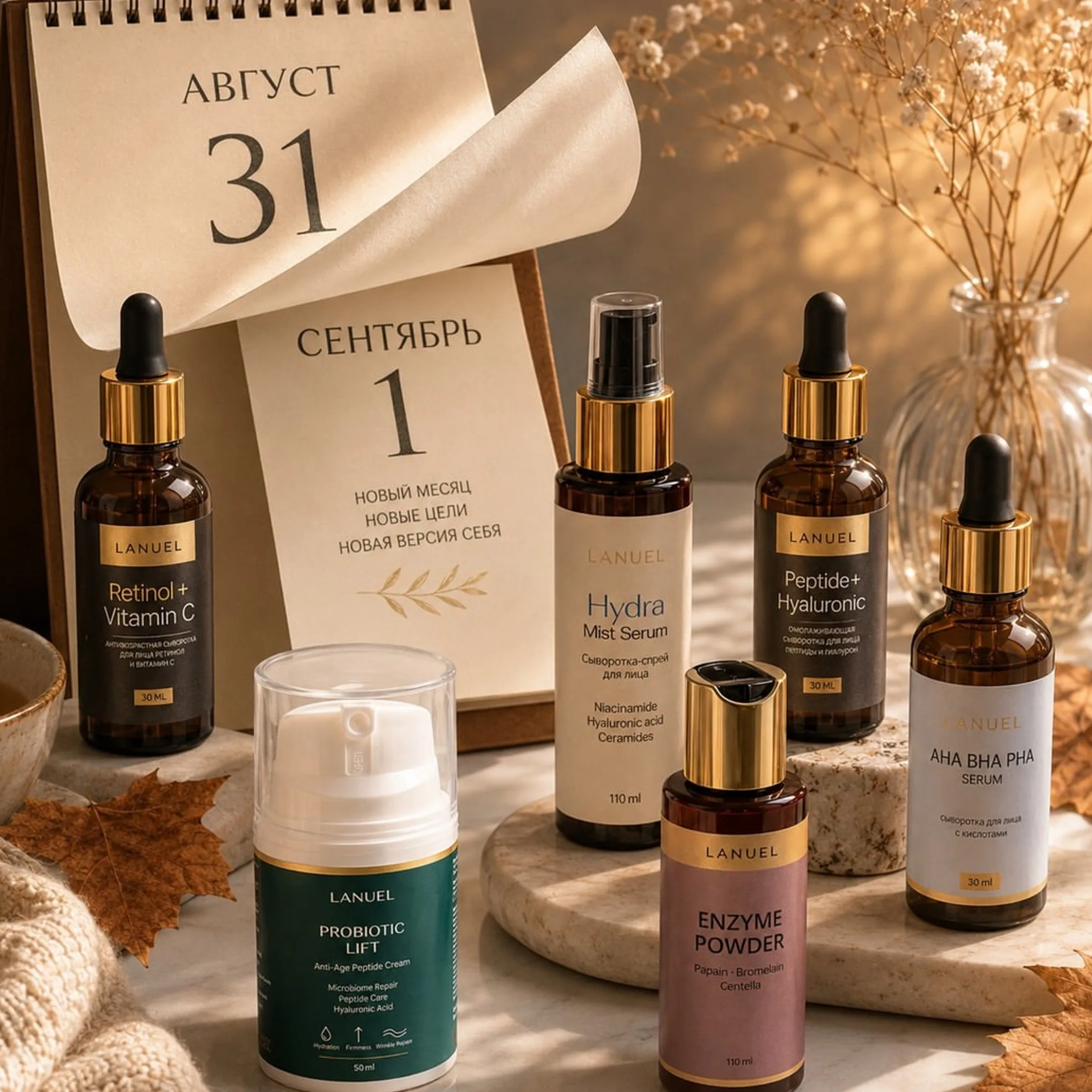
Put me to it and I would say the most important item of all is sunscreen. It is not a matter of following fashion but of countering the risk of skin cancer, wrinkles, collagen loss and pigmentation from UV. In Australia the sun does not observe personal boundaries so it is all the more pertinent.
The Department of Health and Aged Care have figures from the Australian Government showing our country has among the world’s highest incidence of skin cancer. That is not something to put aside when you “just duck out” for a coffee. Make a habit of putting on sunscreen each morning.
What Broad-Spectrum Is
Opt for broad-spectrum with an SPF of 30 or higher, if not the SPF 50+ many here are wont to use. You want coverage of UVA as well as UVB; the latter will burn you while UVA is largely responsible for premature ageing and pigmentation. Some will ask about physical versus chemical. Mineral sunscreens with zinc oxide or titanium dioxide are fine for the sensitive type. Chemical ones can be lighter for everyday wear. But you might as well go with the one you are going to apply in sufficient quantities.
Quantity and Frequency
There is a tendency for adults to be woefully under-handed with their SPF. A token dab on the face and neck is not enough. Nor is one application in the morning for a day at the beach if you are in the strong sun, swimming or perspiring. Reapply.
Some will believe an expensive serum is going to trump sunscreen. They are wrong. Sunscreen is as close as skincare comes to unadorned common sense.
A Serum With Purpose
If you want to put together a routine that is not a chemistry set, a serum is the place to make a stand on a particular issue. There is no call for five of them, just the one that suits your aim. Dull or uneven skin with dark spots calls for Vitamin C. For anti-ageing, better texture or to control acne, a retinol / retinoid is more logical.
Vitamin C
Applied in the morning beneath your moisturiser and sunscreen, Vitamin C is good for brightness and even tone, particularly on mild pigmentation or post-inflammatory marks. Do not expect a dramatic overnight fix. I have had clients come in thinking it will put right a couple of decades of sun in a fortnight. It is not that way. It is of service, but the prevention is done by the sunscreen.
Retinol
You will find retinol and other retinoids more at home in your evening routine for cell turnover, fine lines and the like. They have a way of catching people napping though. Use them too much and the skin gets flaky, dry and mutinous. If you are new to actives, two nights a week to start is plenty, then build on it if you can. The kind of thing a dermatologist will tell you: use your moisturiser, do not be in a rush to think more is better. It is not very sexy advice but it is sound.
Exfoliation
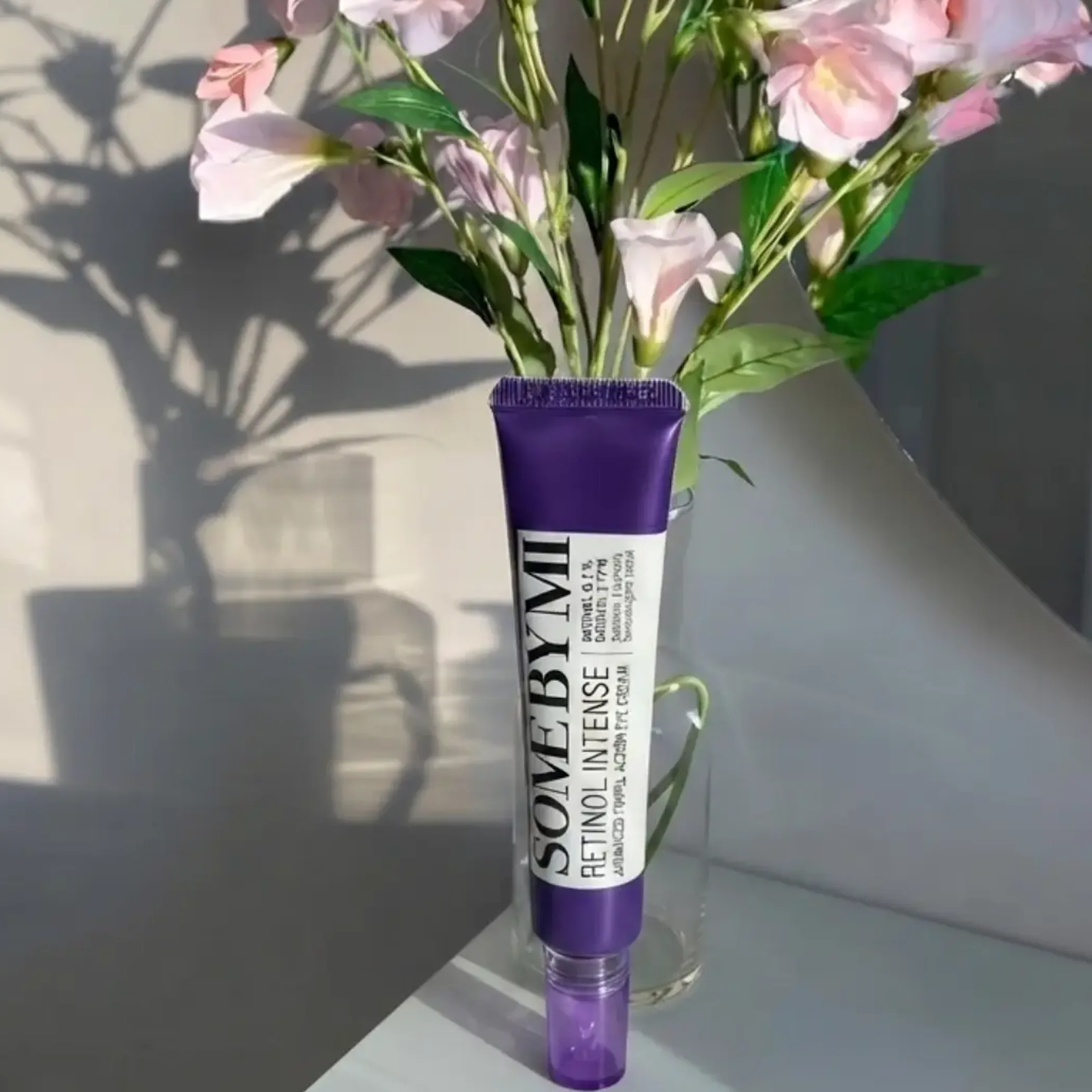
To clear clogged pores and rough texture exfoliation is useful, yet overdo it and you will see the barrier of your skin suffer. Enthusiasm has a way of getting the better of you in this department. Of all the categories, from cleanser to serum, the exfoliant should be approached with some caution. Helpful? Yes. Something for everyone on a daily basis? No.
AHA / BHA
These chemical exfoliants do away with dead skin cells instead of rubbing them off. Glycolic acid or lactic acid (AHA) is a choice for dullness and surface texture. Salicylic acid (BHA) is oil-soluble and will serve the acne-prone or congested skin better.
There is a certain satisfaction to be had from a physical scrub, yet for sensitive skin or where active treatments are in play they can be overly abrasive. A chemical exfoliant is typically more of an open and shut case; you have better command over the frequency.
How Often Is Enough
One or three times a week will do for most. Go beyond that and you risk irritating the skin, particularly with Retinol, Vitamin C or acne remedies in your repertoire, let alone any hair removal on the face. People are not undone by a single bad product, it is when they put too many good ones on at once.
Match Products To Skin Type
While there are five categories for almost everyone, the actives and textures ought to be dictated by your own skin. You will find a world of difference between a routine your skin puts up with and one it actually works with. When asked what I would recommend for a given skin type I make them consider tolerance before goals. Ambition has its place but an unimpeachable skin barrier is preferable.
| Skin Type | Cleanser | Moisturiser | Serum | Exfoliant |
| Dry | A non-foaming cream | Something richer to hydrate | Vitamin C or a retinol provided it is well tolerated | An occasional mild AHA |
| Oily | Gel cleanser of the gentle sort | Light lotion or gel-cream | Niacinamide, retinol or Vitamin C as the goal requires | BHA is often the way to go |
| Combination | A cleanser that is balanced and mild | Lotion of medium weight | Address concerns across the board or in spots | AHA or BHA in moderation |
| Sensitive | Fragrance-free and mild | Moisturiser for the barrier | Be very circumspect with actives | Infrequent and only the mildest exfoliation |
Layer Them The Right Way
It does no good to put on the finest products an Australian shopper can get if the order is all wrong or they are applied in excess. An overcomplicated regimen will be left behind by something more measured. This is where the rubber meets the road: having quality skincare is fine, using it without riling your face into a protest is something else.
A Simple Daily Order
- Morning: serum, moisturiser, sunscreen (and a cleanser if called for).
- Night: cleanser, then a serum or retinol and moisturiser.
- Save the exfoliant for some nights, do not layer it with every active in your cabinet.
Should you want to right your routine in a day, start with a broad-spectrum sunscreen for daily wear, a hydrating moisturiser and a gentle cleanser. Once you have a firm base you can introduce a serum or exfoliant.
What Most People Get Wrong
You can see it coming: too much in the way of actives, four new products in a week, not enough sunscreen, or following someone on social media whose skin is nothing like yours. And a tingle is not necessarily progress, more often than not it is irritation. Do not be surprised to find that an effective routine is rather dull. That is why it is effective.
Keep It Practical And Sustainable
Your routine should be commensurate with your life, your patience and what you can afford. If it is 40 minutes of your time and a small fortune in AUD and your skin is peeling for it, that is not sophistication, poor organisation. At present you can pick up perfectly adequate basics at any pharmacy or supermarket in Australia. Price does not equate to suitability; I have been there when a modest product has done more because of consistent use.
- For a beginner: stick to cleanser, moisturiser and sunscreen for a few weeks.
- Next step: morning Vitamin C or evening retinol, not both to begin with.
- Leave frequent exfoliation and strong retinoids to those who are not of sensitive skin.
In wider circles you might come across Vogue, ABC News, the American Academy of Dermatology, Cleveland Clinic, Pittsburgh Skin, Anu Medical Spa or Cosmetic Tattooing Brisbane. Some are medical authorities, others media or business. For your own decisions, heed the official health advice and treat the rest as background noise.
Common Questions Answered
I am put to these questions a lot, generally by someone at the shelf feeling somewhat hard done by the choices on offer.
Top 5 Skin Care Products?
A gentle cleanser, moisturiser, broad-spectrum sunscreen, an exfoliant and a serum for treatment and texture.
The 5 Basics?
Cleanse, protect, moisturise, treat and exfoliate with care. In other words, the cleanser, the moisturiser, the SPF, the serum and the exfoliant.
Most important?
Sunscreen, hands down. It is your defence against UV damage and pigmentation and lowers the risk of skin cancer. Make a habit of SPF each morning.
Is there a #1 in the world?
No such thing. Tolerance, age and climate dictate what is best. Sunscreen is as close as you will get to a universal.
Do I need the full five?
Not on day one. Put in the work with a cleanser, moisturiser and sunscreen first. Add to it as your skin allows.
The Sensible Takeaway
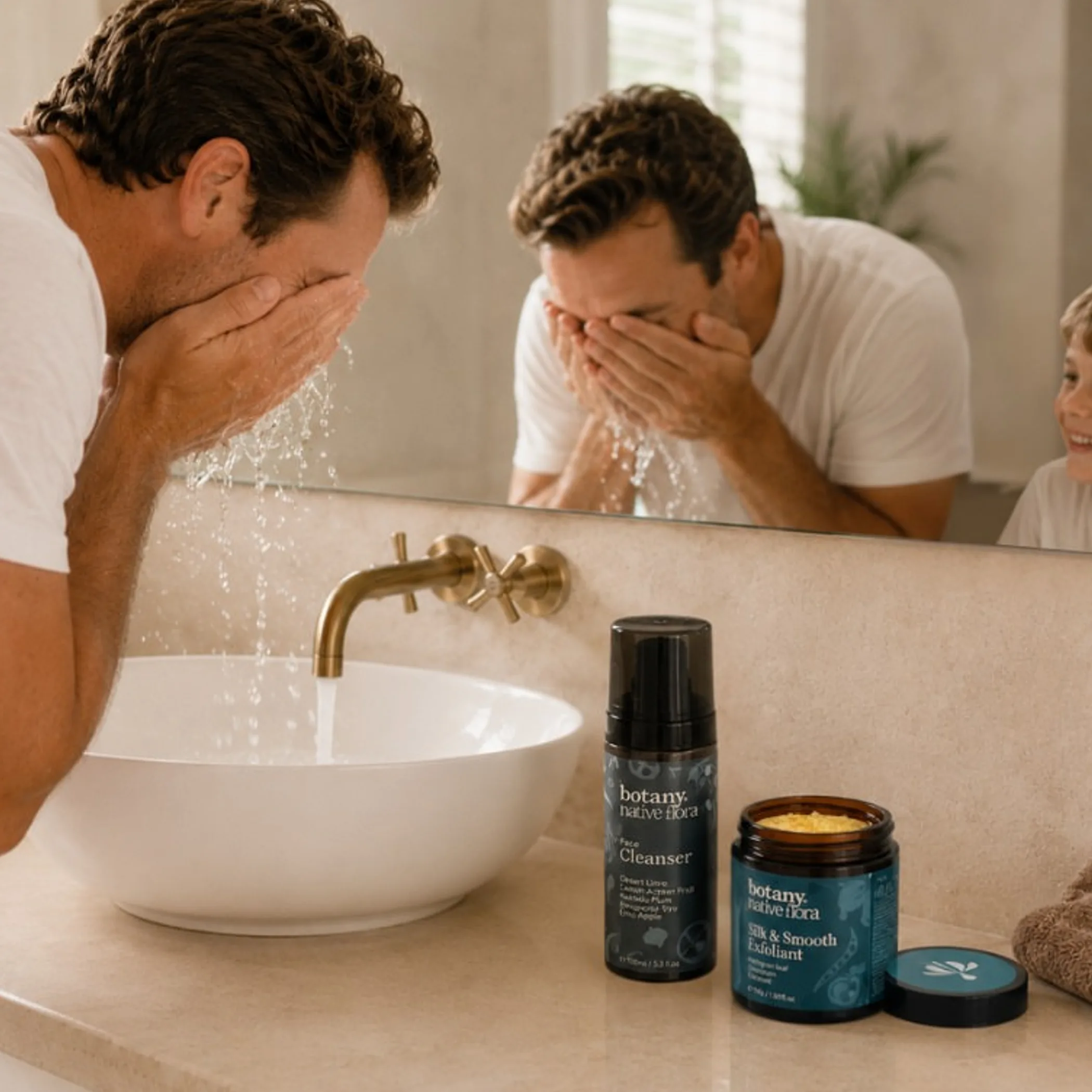
So the short answer on the 5 most important is: cleanser, moisturiser, sunscreen, serum, exfoliant. Your core. The rest is up to you.
And a word of honesty from the treatment room: be patient with your skin, it will serve you better than panic. Put in the slow work and shield it from the sun. No product in a bottle with any manner of attitude is going to work a miracle.
