The way to be safe in Kakadu is to put in some preparation: check the state of the roads, have more water on hand than seems necessary, heed any park directives and regard all waterways as home to crocodiles. After all, this is not one of those compact wildlife parks with an attraction around every bend; it is a vast and remote part of Australia’s Top End.
I am Isadora Fletcher and I like my travel writing to be honest about the bush being something of an inconvenience at times. You will find good access in and around Jabiru, Ubirr, Nourlangie and the Arnhem Highway, but then again a rough track or change in the weather can put paid to your plans in short order. Here I set out what you need to know on visitor safety, transport and the like, drawing on Parks Australia for their latest guidance.
Kakadu Safety Essentials
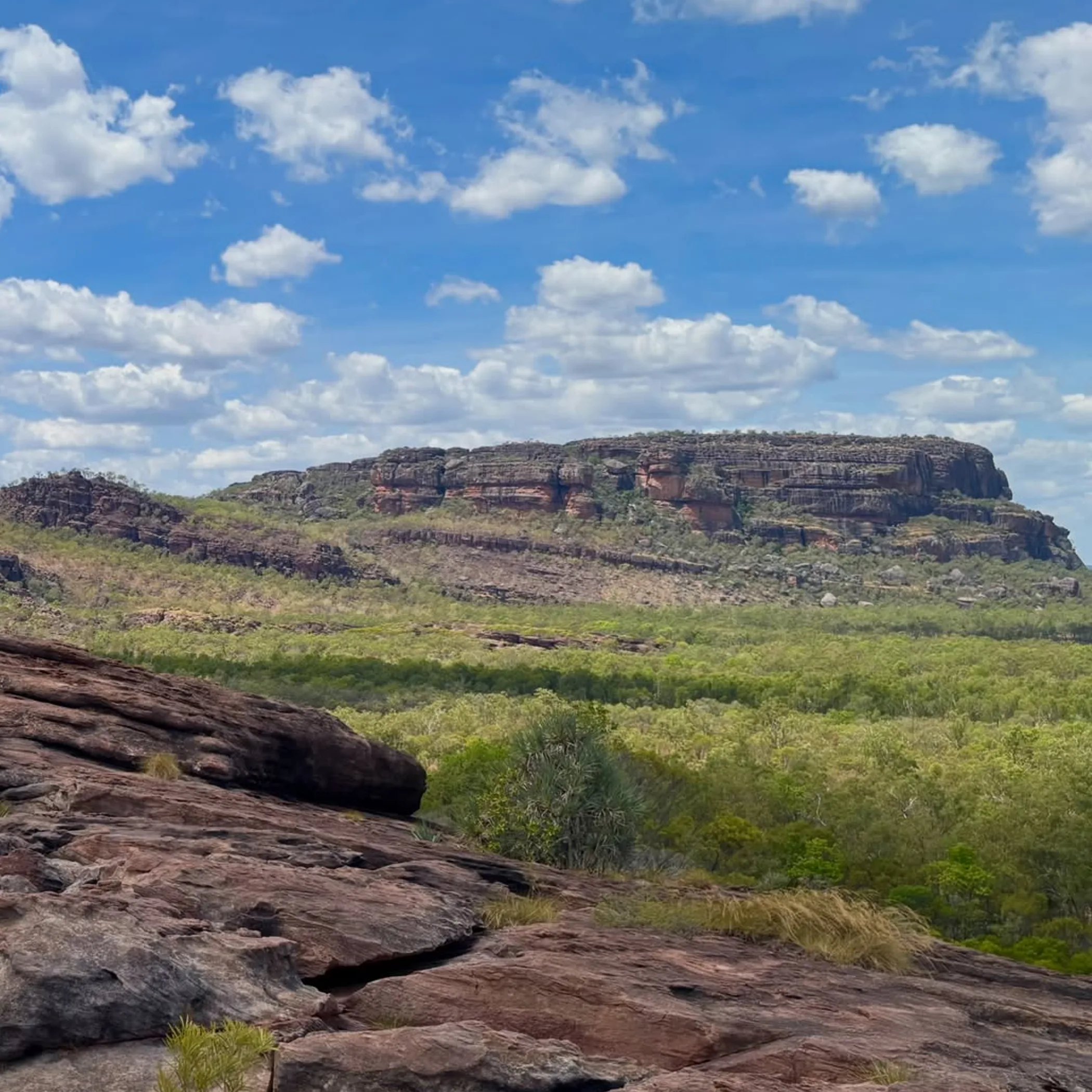
You should be planning for a safe visit from Darwin. For a one day Darwin Kakadu excursion, make sure your vehicle is up to the task and see which sites are open. Put aside the “she’ll be right” attitude of some travellers and do not be guided by an old social media posting or a sign in the car park that has seen better days.
With over 20,000 square kilometres to cover, condition and distance are everything. It is Aboriginal land and there are cultural obligations as well as the physical dangers. So read the alerts, get your park pass and factor in extra time for walking, the weather and delays on the road.
| Situation | Safer approach | What catches people out |
|---|---|---|
| Short day visit | Stick to one area, have your water and be back before nightfall | The attempt to do Ubirr, Nourlangie and a waterfall or two |
| Swimming | Only in the areas put aside for it and when they are open | To think clear water is safe water |
| Remote tracks | See what is required of your vehicle and fuel before you go | Not giving enough credit to the mud, corrugations and seasonal floods |
| Walking | Put on something sturdy and get an early start | The heat will build quicker than you would like |
| Emergency | Have first-aid, food and offline maps | Counting on a phone signal in the park |
Conditions to Check
There is the wet season and the dry in the Top End, but the ground is the final arbiter of what is possible. Rain will put an end to road access and crossings, as it does for Jim Jim Falls, Gunlom, Twin Falls and elsewhere. In the dry you may have to contend with storm damage or bushfire activity.
Prior to your departure from Darwin, look at the official visitor information from Parks Australia for Kakadu. There you will find on what is open for walking, any restrictions on swimming or cultural sites and the like. Once in Jabiru the Bowali Visitor Centre is a good place to put questions to them, but it ought to be a supplement to your own preparations.
Wet And Dry Season
Many will tell you the dry season is the time to go for the reliable roads and less humidity. It is also when the park is at its most crowded; you can be hard pressed to find room in a car park or at a lookout. Do not mistake the dry for being without risk, dehydration and wildlife are still very much present.
In the wet, expect some road closures due to the rivers running high. A 4WD with high clearance is called for on some even if they are open. What seems a harmless creek can become an obstacle once the rain and lightning set in. Better to take a detour and be disappointed than to feature in a costly rescue.
Croc-Wise Around Water
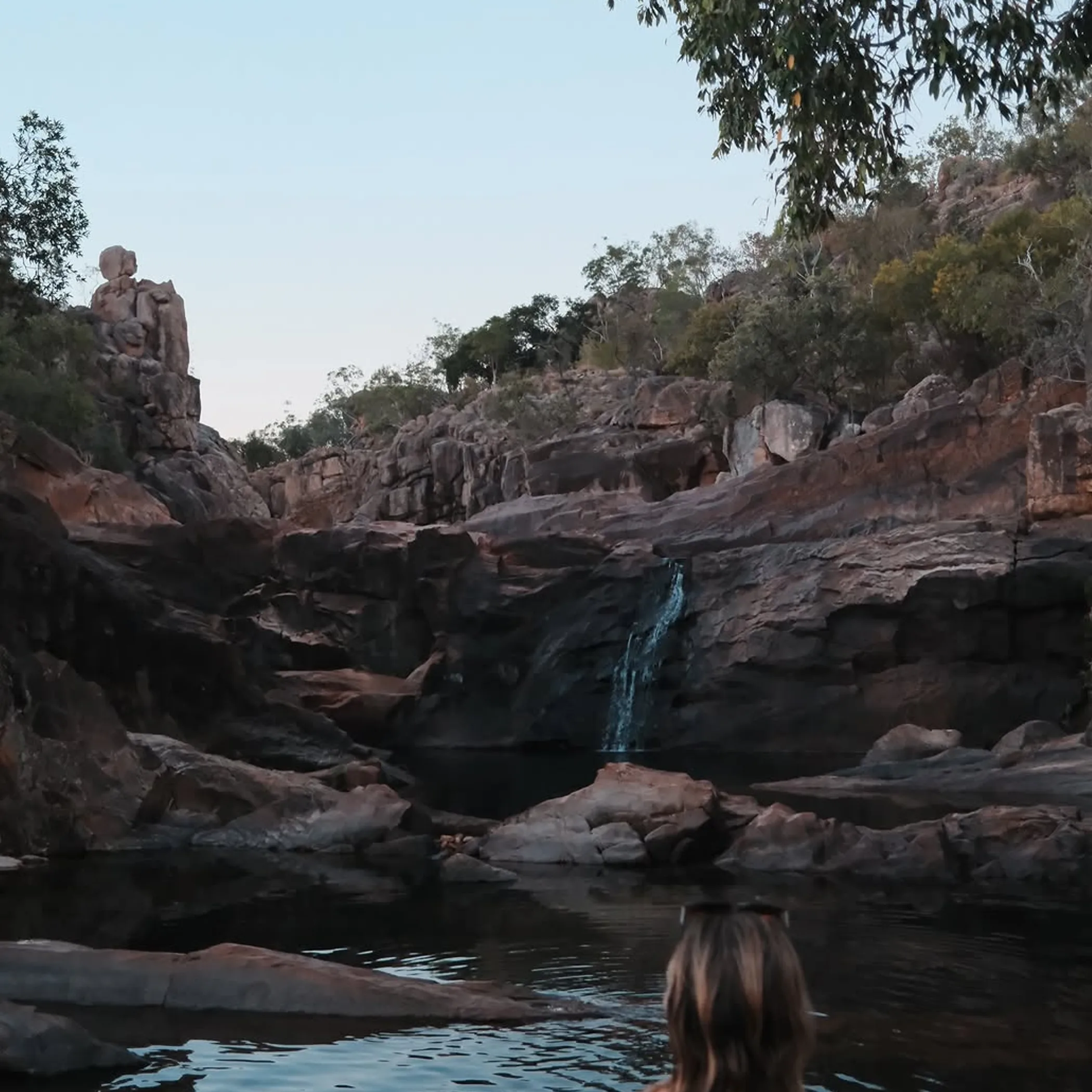
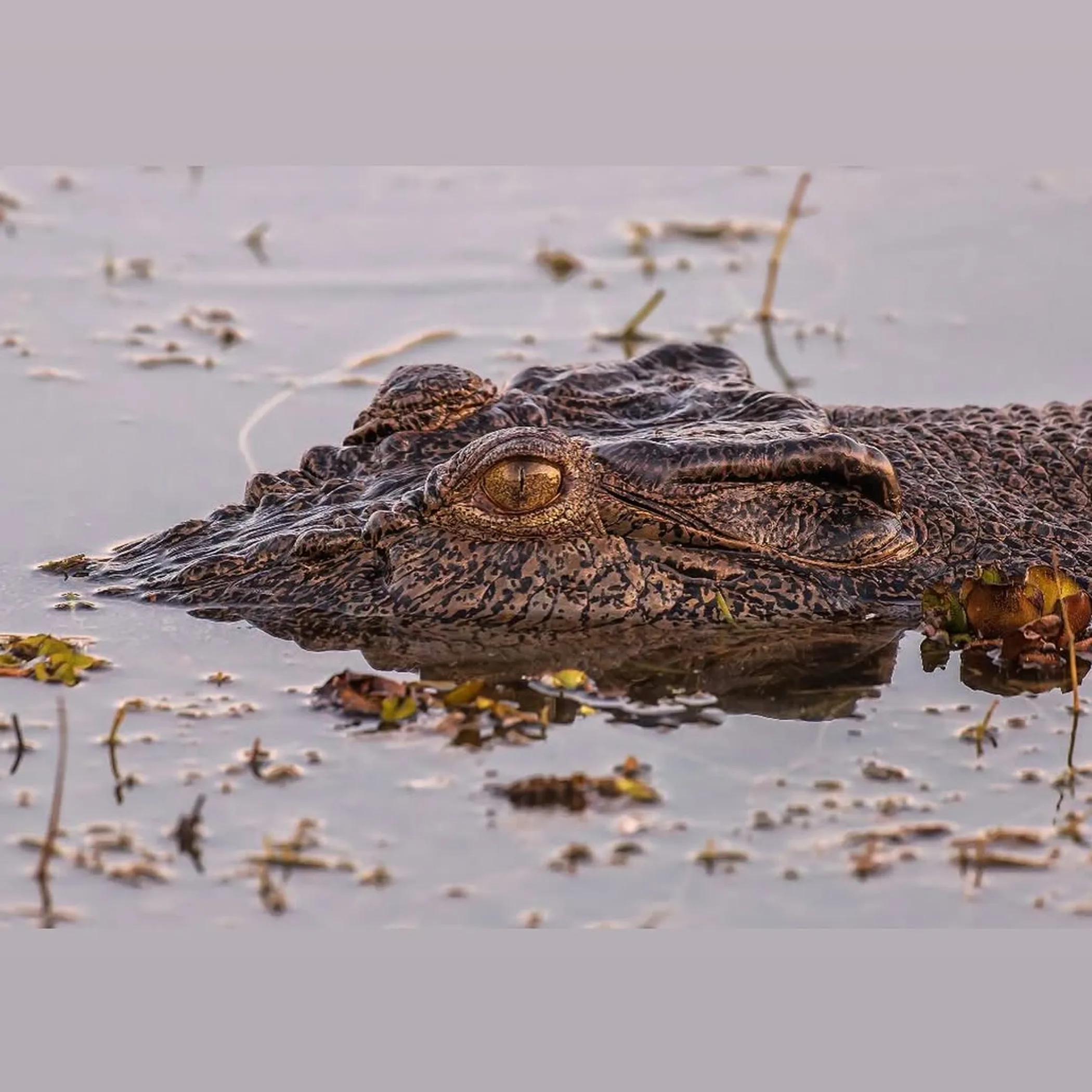
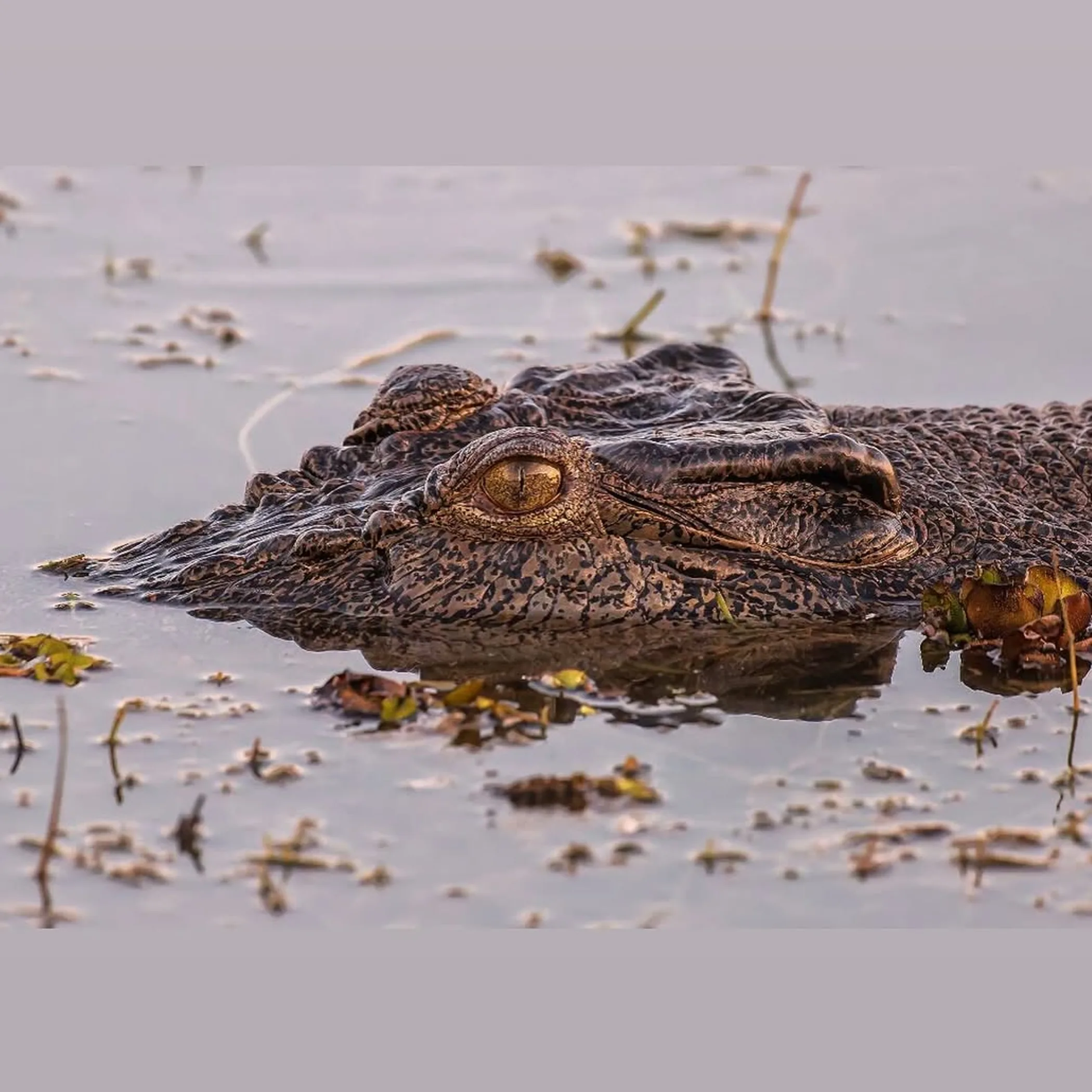
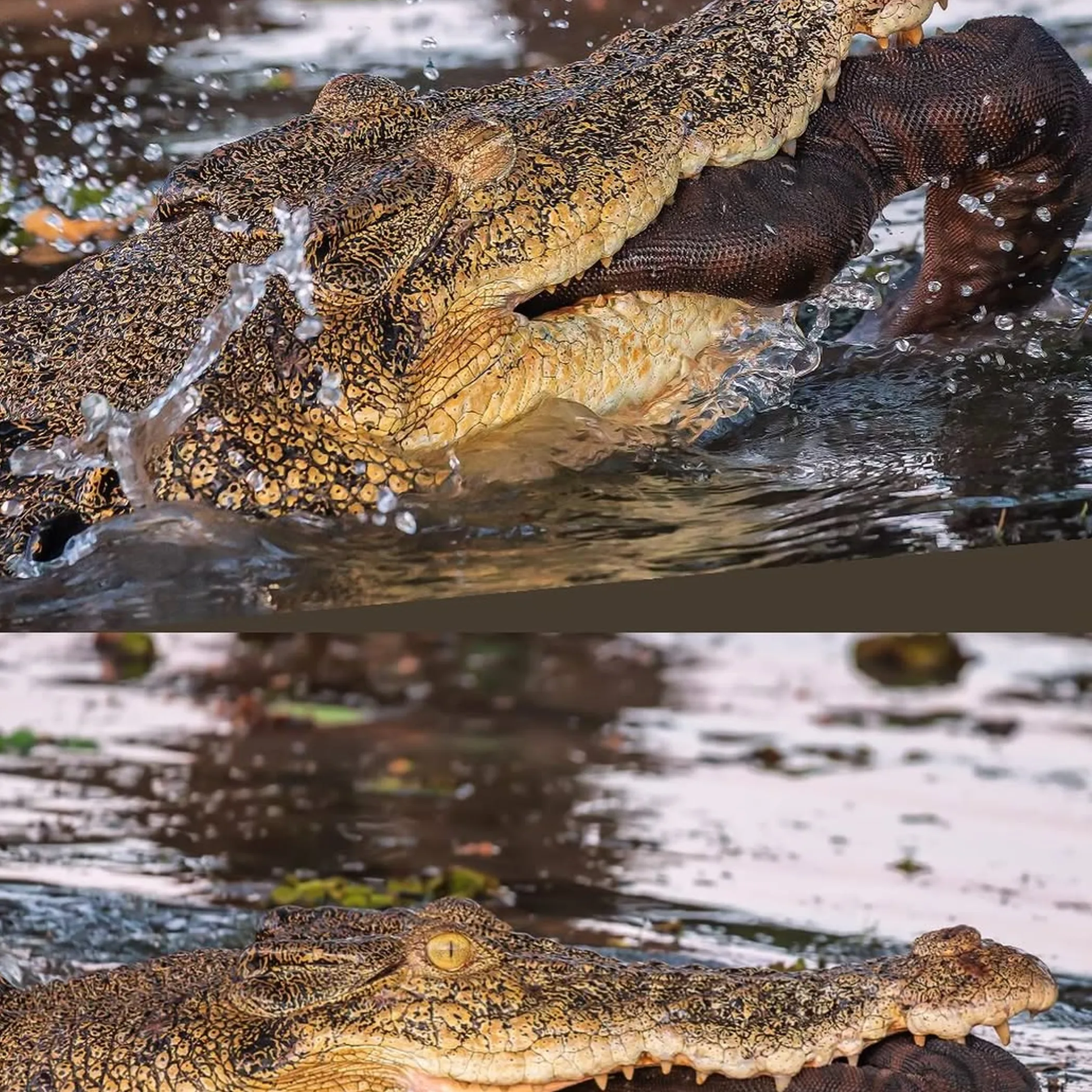
One rule in the park: do not be lulled into a false sense of security by the presence of others in a river or billabong. The saltwater crocodile is in these waterways, in places that are shallow and deceptively calm. Ranger instructions and the signs and barriers are to be followed, as are the no-swimming edicts.
While some spots may be opened up, others are off limits for reasons of flooding, water quality or croc activity. Find out the situation first. No wading, paddling or dish washing in an unapproved waterway and keep the children away from the edge.
Water Safety
A sensible distance from the edge is in order, especially after dark or at dawn and dusk. Refrain from putting yourself on a muddy bank to get a photo of some animal or leaning over a crossing. And never feed the wildlife. There is no disputing that food will alter an animal’s behaviour; in a matter of minutes a placid wild creature can be a nuisance.
Take your water in a bottle or container with a good seal and have enough for the day, some in reserve. You may find the waterhole is not as close to the car park as you thought and the heat has a way of stretching a short walk. Should you come across a crocodile, put some distance between you and it in a calm manner, let others know and if circumstances allow, make a report to the park staff. Leave the animal to its own devices and do not press in for a photograph, it is not going to oblige with a portrait.
Heat Sun And Insects
Any hiker in Kakadu would be well advised to put sun and heat protection at the top of his safety list. Get an early start on your walk, take a rest in the shade and drink before thirst sets in. A hat, long but light clothing, sunglasses and sunscreen are sensible things to have on hand, not superfluous items for those who like to be overburdened.
Then there is the humidity which can put an extra strain on the walking distances one is used to, visitors from the cooler climes of Australia in particular. Be on the look out for cramps, dizziness, nausea, any signs of confusion or uncharacteristic fatigue. If they do not pass, stop and put yourself in the cool, have some water and get help. But do not leave an exhausted person to his own while another goes for assistance.
Mozzies And Snakes
Apply repellent in the wetlands or thick vegetation and at dusk or dawn. Make sure the children are free of bites and cover up. The mozzie has no manners and is small and tenacious, but one should have more regard for the illnesses it can carry.
As for venomous snakes, they can be found all over the park, right beside the tracks. Do not go about photographing or moving one up close. Remain on the marked path and be mindful of where you put your hands and feet. In the event of a bite, the person must be kept still, and if you have been trained, apply a pressure immobilisation bandage; call emergency services. There is no washing or cutting the bite, nor should a tourniquet be applied.
The Right Vehicle
A 4WD is not a prerequisite for every trip to Kakadu. On sealed roads and in the more frequented parts of the park a standard vehicle will do provided it is driven with care. That said, you will want 4WD access for some of the rougher roads and creek crossings, or for attractions that are seasonal. Instead of wondering if Kakadu is a four-wheel drive kind of place, check the conditions for your destination. Your rental contract might preclude some roads and insurance is unlikely to be of much use if you suffer damage from sand, flooding or the like. A high-clearance 4WD is no talisman without the right tyres, fuel and a driver who knows what he is doing.
Fuel And Driving Time
Put fuel in the tank when the opportunity presents itself, do not assume the next stop is assured. Make allowances for road trains, queues, wildlife and the slow going on corrugated roads and have some emergency food. The Arnhem Highway is your link from Darwin to Kakadu but internal routes will often exceed what the map indicates. Be aware that walking in hot weather can be dangerous and sometimes even deadly.
You will generally find parking at the main visitor areas but do not count on a space or any shade. Put the valuables away and lock up, and do not leave food in the car to bake. Out on a remote route, let someone know where you are headed and how you plan to return. If you have to change course, tell them of it. Do not just vanish into the bush with the sort of confidence that comes from never having encountered a dead battery.
Packing List
For Kakadu one wants a packing list with some utility: water and back ups rather than style. Plan for the day to run over schedule; a wrong turn or a full car park or a walk more taxing than the sign lets on will eat into even a well laid out itinerary.
- Water and a reserve of it, a wide-brimmed hat, sunscreen and sunglasses, long-sleeved clothing of a light weight.
- Good walking shoes, a first-aid kit, hand sanitiser, your medicines and insect repellent.
- A torch, power bank, charged phone, offline maps and some emergency rations. Have the details of key contacts to hand.
- A towel, rubbish bags and a re-usable bottle for water. Swimwear is for approved areas only.
- And for the vehicle, recovery gear, spare tyres and tyre-pressure tools as needed.
Medication belongs in the day pack, not locked in your luggage. Mobile signal is unreliable at best so have a paper map or the route written down. With children in tow, add to the water and snacks and have a strategy for shade. They need to be watched near the water; the croc signs are there for a reason.
Phone Signal in Kakadu National Park
Phone signal in Kakadu National Park is a matter of where you are and which network you use. While some developed spots will have coverage, do not count on your mobile in the more isolated parts of the park, be it on a walking track or by a waterfall. It is best to put offline maps on your device prior to your departure from Darwin and have your emergency and accommodation information at hand without needing data.
Make sure a person you can trust has your itinerary with an expected time of return, vehicle particulars and any stops you have made. Should an emergency arise and there is a connection, dial 000. In remote country, if it is safe to do so, remain with the vehicle, make yourself seen and ration your water. You would be well advised to put down clear directions as to where you are headed if you do make for foot.
One-Day Visit From Darwin
An excursion to Kakadu from Darwin in a day is feasible provided one is disciplined. There is no need for a heroic effort to put in every place of note; a more circumscribed route is preferable. Those after rock art and a vantage point might find Ubirr to their liking, Nourlangie presents a culturally important walk. See what the opening and driving back conditions are before you decide.
On such a trip, get an early start, take lunch and water and be liberal with the time you set aside for stops. Put in a return before you are too tired for it. This approach is for the traveller who does not mind long hours in the car and some walking. If a leisurely look at the park or access to a waterfall and 4WD tracks is what is wanted, this is not the way to go.
Respect Culture And Park Rules
The Traditional Owners have responsibilities and living cultural traditions here; Kakadu is Aboriginal land and not just a view. There will be rules governing behaviour, photography and access at ceremonial grounds, rock art and the like. Heed the rangers and the signage, even from the lookout if a rule is not plain to see.
Refrain from touching the art, climbing where you should not, taking stones or plants or littering. Be quiet at cultural sites and put a question to people before you photograph them. Your park pass is for the support of management, not a licence to disregard the conditions. Respect is something you put in your preparation for the park, not an afterthought once the sunscreen is on.
Frequently Asked Visitor Questions
Is it safe in Kakadu?
It is when one heeds the alerts, has the right vehicle and supplies, is ready for the heat and keeps off unauthorised waterways. The error is to think of it as a city attraction with its predictable services and distances.
What about swimming?
Only in areas Parks Australia has deemed suitable and open. Do not be lured into a billabong or creek because the water is clear and others are around; crocodile risk and restrictions are subject to change.
A 4WD necessary?
Not for all. Open two-wheel-drive or sealed roads will take you to most of the popular haunts. But for some of the more out of the way places, particularly following rain, a high-clearance 4WD is called for. Verify what your rental allows and check the road.
Packing list?
You will want sun protection, insect repellent, sturdy footwear, medicines and a first-aid kit along with your drinking and reserve water, weather clothing, a power bank and emergency rations. Offline maps are a must. Toss in vehicle supplies for remote roads.
When to come?
The dry season is busier but better for getting about and the roads. The wet can mean flooding and closures and some dramatic weather. It is a question of what you want to see and the state of things.
Any mobile coverage?
Inconsistent at best. Some of the developed side of the park may have signal, the roads and tracks will not. Have your plan and maps and be prepared to do without.
Where for safety and road info?
Official Parks Australia Kakadu alerts are the place to start before you head out of Darwin, then Bowali Visitor Centre in Jabiru if it is open. They will have the latest on anything from a closed road to a swimming ban.
Preparation is part of it
There is no virtue in cramming as much as possible into your schedule for a visit to Kakadu. The sensible thing is to have realistic distances, the right supplies and to alter your plans if you have to. Get your park pass in order, fuel up, leave your itinerary with someone and check the alerts. A little patience is repaid by the park; it is an experience instead of a heated dispute with a corrugated road.
