There is no better way to plan a road trip between Melbourne and Adelaide than to have your route in mind before you are thinking about the stops. For the direct inland run, set aside a minimum of two days; three if it is your first time and you want to do things sensibly. Put in four to seven days for the Great Ocean Road, some wine country and the coastal towns, rather than half your time looking at white lines go by.
I am Isadora Fletcher. One learns on the open road that plans are often just suggestions. You will find a lookout detains you longer than you thought, or a bakery will present itself when you have been saying you are not in the mood for food. “Just a quick walk on the coast” has a way of leaving you with damp shoes. Here I put down the practicalities of the matter: the routes, how far and how long you will be driving, what to expect in costs, accommodation and quarantine, as well as realistic day-to-day stages.
Some Route Basics
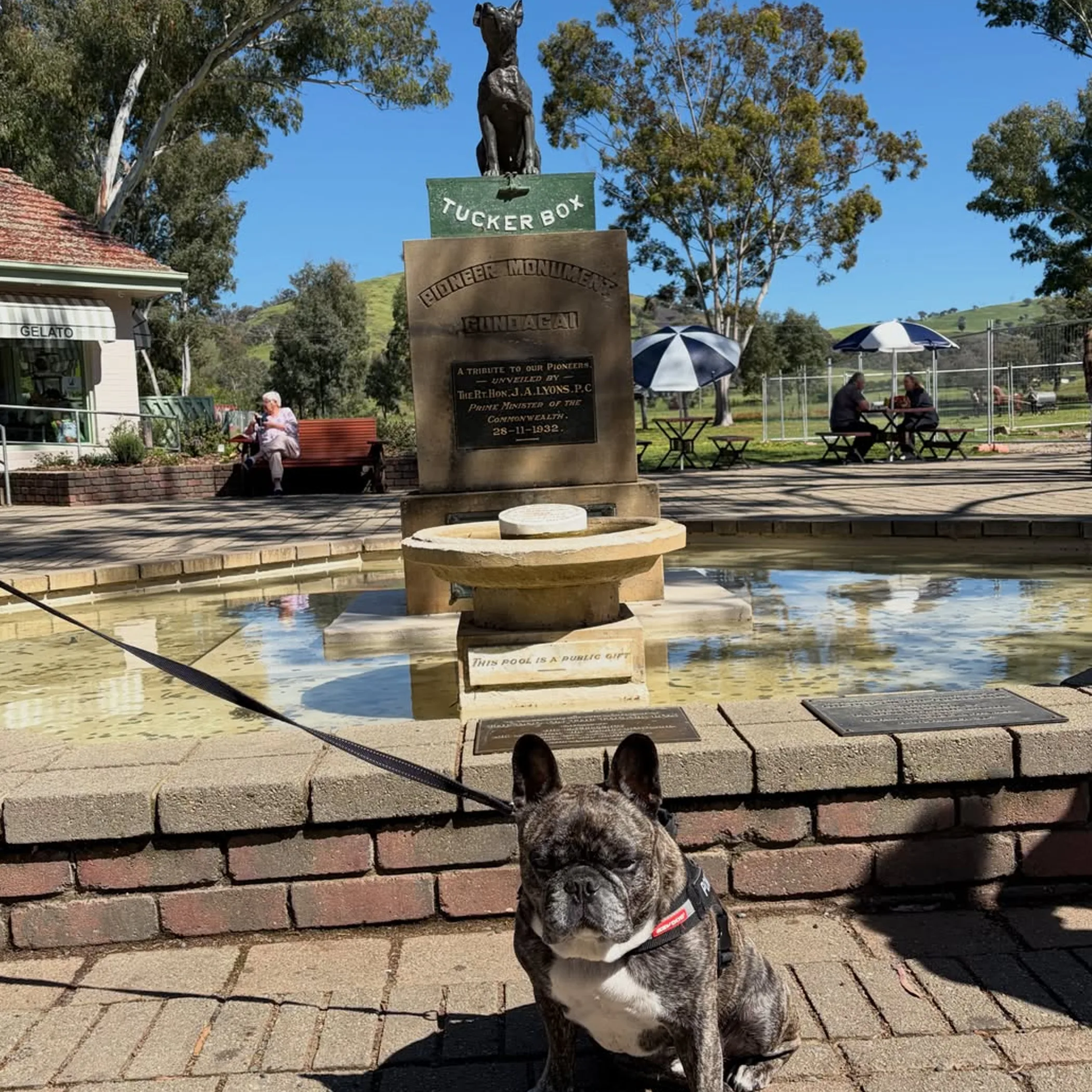
Take the most direct inland path and the 725 kilometres from Melbourne to Adelaide are straightforward. Or go the distance via the Great Ocean Road and the coast for the likes of the 12 Apostles, Port Fairy and Port Campbell, which are all good reasons to add the extra kilometres. For planning ideas, see this 3 day Melbourne to Adelaide itinerary.
The question to answer before you head out of Melbourne is whether this is a holiday in its own right or simply transport. It will dictate your car hire, where you stay and how early you must be up in the morning. Do not expect a family car full of provisions and a slow campervan to have the same rhythm as a road train.
A Comparison Of The Routes
| Route | Approximate Distance | Driving Time (realistic) | Best For |
|---|---|---|---|
| Direct inland | Some 725 km | 8.5–10 hours if you do not make long halts | To be efficient between cities |
| Great Ocean Road | 1,000–1,100 km | 12–14 hours behind the wheel | Photography, walks and the coast |
| Murray River | Dependent on stops | Two days at least | Inland country, river towns and a more leisurely pace |
Consider these numbers an estimate for your planning, nothing more. Holiday traffic, a bit of rain, wildlife or a road train can alter your day. Do not confuse the stated drive time with the interval from your room to the hotel door.
How Long Should The Trip Be?

You can do the direct route in a day but it is a long one, and there is not much leeway for bad weather or a decent meal. Most will find three days the happy medium. Seven days is ample for the South-East Coastline and the wine regions, and to lingers where a hasty snapshot will not do.
One Day
For those in a hurry to get to Adelaide and who can take turns at the wheel, the inland route will do. Make an early start and break often. Do not rely on coffee to see you through the more monotonous stretches; fatigue has a habit of coming on unannounced.
Two Days
More of a comfort. You could put in a night at Mount Gambier for its Blue Lake and Umpherston Sinkhole, or pick a town nearer the Victorian border to keep the second day short.
Three To Seven Days
Three days is fine if you wish to do the Great Ocean Road and 12 Apostles without making a military exercise of every morning. Seven is for the walker and the connoisseur of local fare who does not like to be in a rush with his accommodation. Toss in a Murray River side-trip or Robe and Coonawarra if your return plans allow.
To put it plainly: seven days if you intend to put in a stop for every view; two if arriving is the priority. Three to five is a sensible compromise for both.
Coastal, Inland Or River?
You will not find one ideal itinerary. The coast has the scenery to match, the inland is for efficiency and the Murray River caters to those who would have their lookouts in a river town rather than on a cliff. One’s tendency on the coastal route is to not give it enough time, and most are wrong to do so. The Great Ocean Road is no motorway; you will find it a winding, at times narrow affair with more than its share of spots that call for you to put in an overtake. That is as it should be but it is no place for a hasty transfer.
The Great Ocean Road Option
From Melbourne put in some miles through Geelong to Torquay and on to Lorne, Apollo Bay and Port Campbell. You will want to make of the 12 Apostles and the like your main event, and Port Campbell is a handy base from which to see what the area has to offer without having to pack up each evening.
Press on to Port Fairy and over into South Australia in the vicinity of Mount Gambier. It is the way to drive the coast from Melbourne to Adelaide, provided you are amenable to some stops being cursory and others eating up the day.
Inland and Murray
If the road trip map is all about putting in time between Melbourne and Adelaide then the inland way is the sensible one. There is less drama to it, true, but it simplifies matters when it comes to fuel and finding a meal or a room. Mount Gambier is a good halfway point, though where you start in Melbourne and the exact course you take will dictate what “halfway” means.
For a more leisurely inland passage the Murray River is the answer. One can put in the river towns and wetlands by Meningie on the approach to Adelaide. Do not be in a hurry to follow a line that is tidy on paper; once you factor in a wrong turn here and there, lunch and a walk about town it will be a long day.
A Three-Day Plan

The following 3 day itinerary from Melbourne to Adelaide has the Great Ocean Road in it and keeps the driving stages in check. Consider it a framework to be modified according to the weather or where accommodation is to be had, not a guarantee that things will slot in neatly.
Day One: Melbourne to Port Campbell
An early start from Melbourne will see you through Geelong and Torquay. Make of the rest of the day what you will along the Great Ocean Road via Lorne and Apollo Bay, stopping for a coffee or to get a photograph.
Put in an night in or around Port Campbell. The coast is of little use after dark and you would not want to test the extent of your night vision on a country road you do not know. I have mine to myself and the possums.
Day Two: Port Campbell to Mount Gambier
Make for the 12 Apostles at first light if you can. A short walk and some lunch before heading to Port Fairy and across the border into South Australia. Mount Gambier has the services and accommodation to make a sound overnight stop.
See what the road and weather are like before you set off from Port Campbell. And keep the tank well filled; in the country you will not always find a service station where you expect one.
Day Three: Mount Gambier to Adelaide
Head through the Limestone Coast. Robe or Coonawarra are possibilities depending on your inclinations; the former for a walk and a lunch by the sea, the latter for the wine country.
You may go direct to Adelaide or via Meningie. Should Victor Harbor be on the list, do not delude yourself it is a minor diversion. It will take its time if you intend to have a look around and not just put in an appearance for a photo in the car park.
Extending the Coastal Journey
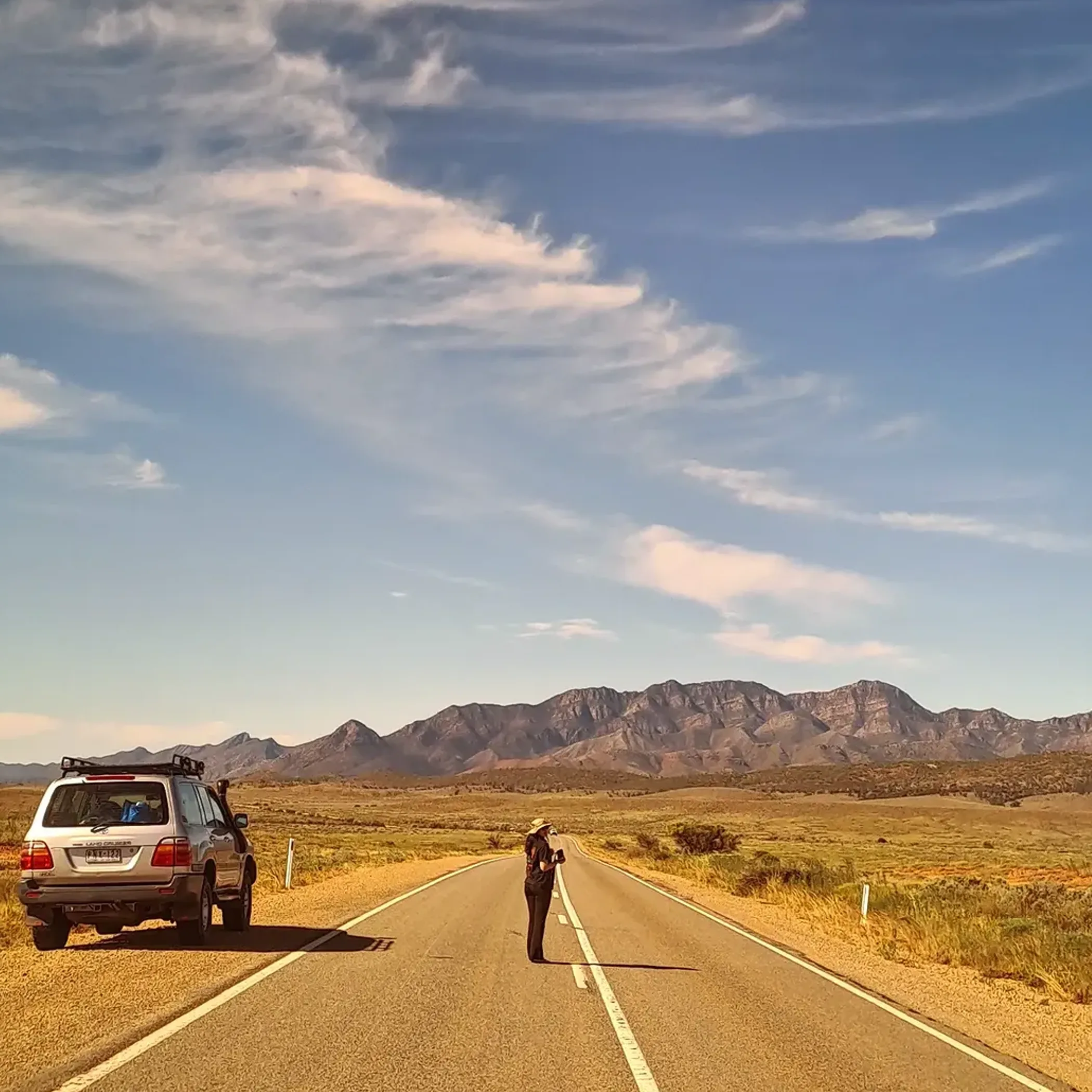
With four to seven days for the road trip there is room to breathe. Two nights in the Great Ocean Road area, a spell in Coonawarra or Port Fairy before you get to Adelaide. Families and those in a campervan will appreciate the format, as will anyone who has no patience for a hurried unpacking. Then again if a bushfire closure or bad weather puts a crimp in your plans you are better placed to accommodate it.
Where to linger
Geelong is an unassuming break from Melbourne, Lorne is preferable for something more protracted on the coast. Port Fairy has a village air about it and is a fine place to spend the night prior to the border. For a mid-journey stay Mount Gambier has the best of both attractions and services.
Robe for a slow evening with good food and the beach. Wine travellers will head for Coonawarra but be responsible in getting from one cellar door to another. Having a driver on hand is not as appealing as a wine-tasting montage but far more practical.
Those looking for a last port of call on the coast before Adelaide will find Victor Harbor to their liking. For a change of views, some birdlife and the wetlands, Meningie is an apt choice. Then there is the Murray River country which gives the trip a different feel; the broad waterways and flat as a pancake terrain have a way of being surprisingly pleasant.
The Real Costs of Budgeting
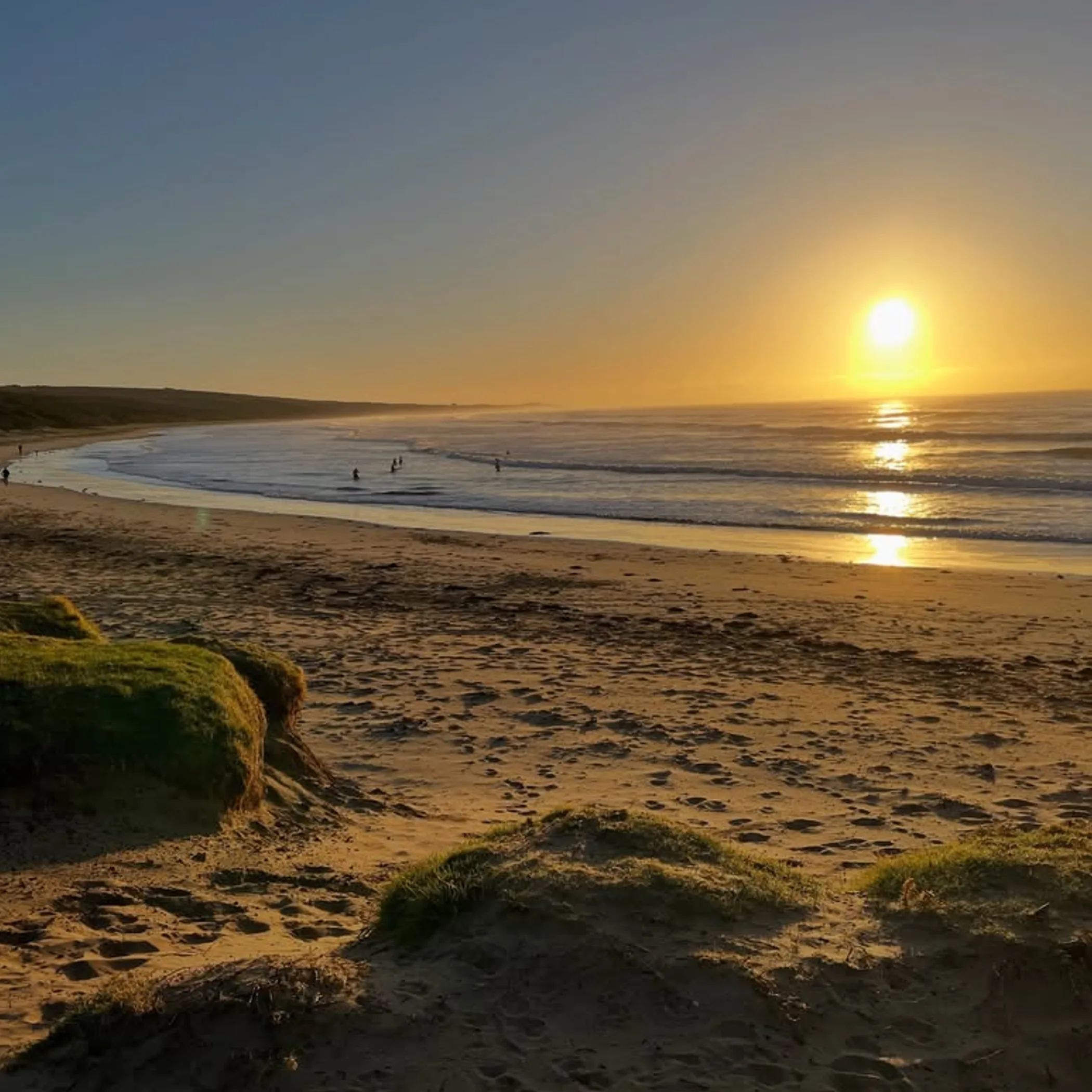
One has to put aside money for fuel, a place to stay, meals, transport and any fees at the attractions. The numbers that follow should be taken as an allowance for your plans, not a hard and fast quote, given that prices in a town will differ according to the season and what vehicle one is in.
Take a 725-kilometre run straight to your destination: a car with an 8-litre consumption per 100 km will require some 58 litres or so. Figure on $2.00 a litre and you are out $116 for the one-way leg. Opt for the 1,050-kilometre coastal road and you are using 84 litres, putting you at roughly $168 if the price of fuel holds. In reality the cost is dictated by local prices, traffic, the load and the like.
A basic room in budget accommodation will set you back in the region of $100–$180 a night. You can expect more from a hotel or motel of comfort, especially over weekends and school holidays. With a campervan you may save on the room but then have to factor in site and equipment fees as well as hire and fuel. Do not make the assumption it is the cheaper option without comparing the package as a whole.
Booking Rooms And Vehicles
When the school holidays come around, get in early to book in the popular coastal towns, Port Campbell and along the Great Ocean Road. Some rural towns do not have as many rooms as one might think and turning up late to find the sole vacancy is next to the ice machine is not an experience anyone would put in a request.
In the matter of hiring a car, look into the excess on the insurance, one-way charges, licence rules and any restrictions for unsealed roads. If you are in a campervan, make sure you know where you can legally park for the night; a spot by the side of the road does not make a campsite.
Matters at the Border
Be aware of South Australian quarantine laws which put limits on the passage of produce, plants and other goods. It is best to consult the travel and biosecurity guidance of the South Australian Government as requirements are subject to change.
There is no guarantee a checkpoint will be looking at every vehicle, nor that the absence of one means the rules do not apply. Tidy up your food packaging and get rid of any restricted fruit or veg prior to the border. A little forethought is preferable to having to put an orange to a biosecurity officer.
And when making reservations for a restaurant, tour or a room, mind the time difference between Victoria and South Australia, particularly with daylight-saving changes.
A Safer Way to Drive
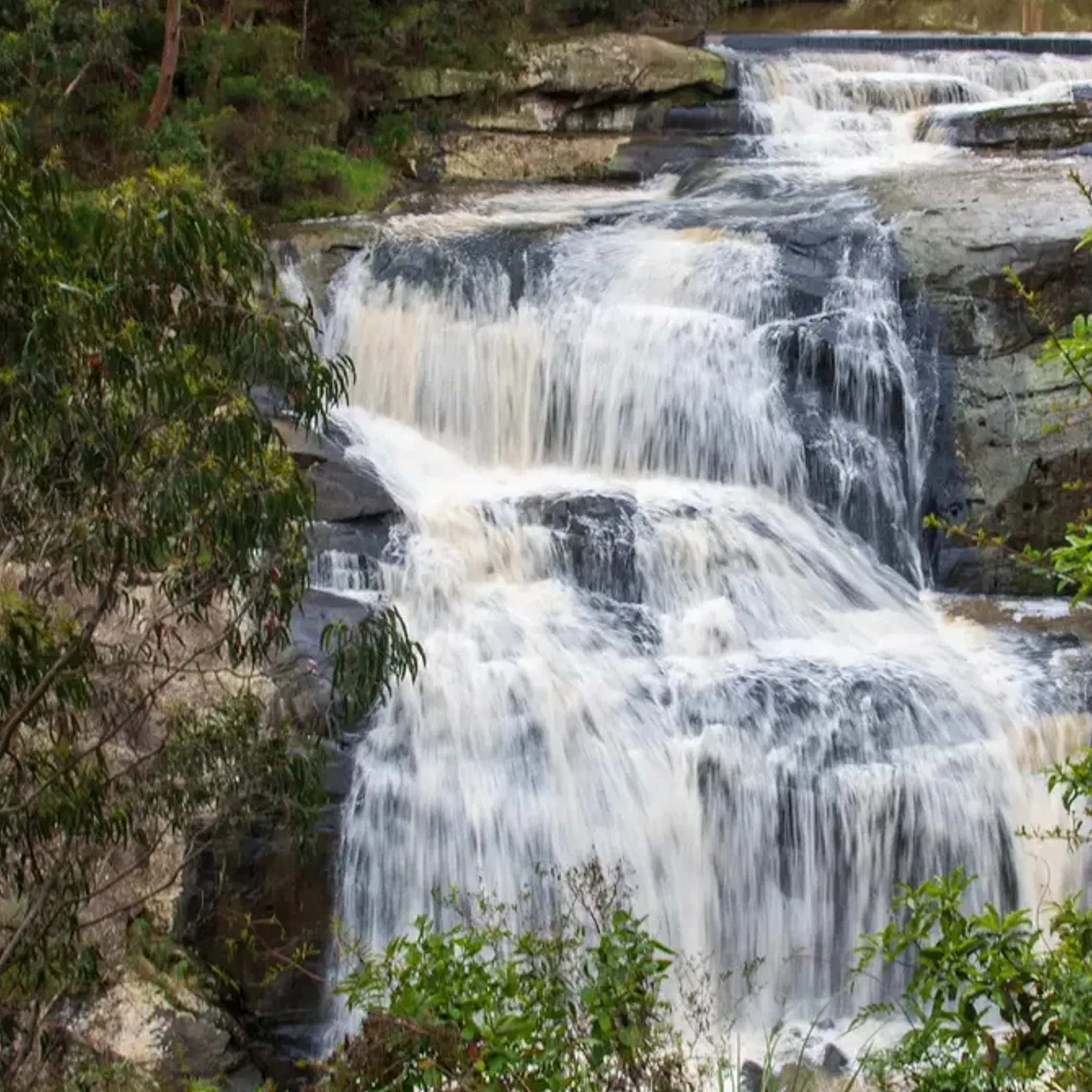
Fatigue, wildlife and the weather present the chief risks on this kind of road trip. Rain on the coast will hamper your view and you are more likely to come across kangaroos at dusk or dawn. Heed the warnings and do not be tempted to drive after a long day of sightseeing on the strength of a pre-paid booking.
Before you set off on each leg, run through this:
- See what the weather and roadworks are like, check for bushfire alerts and closures.
- Put fuel in the tank ahead of the longer rural stretches.
- Have some water and snacks to hand, a phone charger and first-aid kit.
- Put in driving time with others and make a stop at least once in two hours.
- At a scenic pull-off, lock up and put anything of value away.
One should exercise the usual prudence on a coastal walk. That means remaining behind any barriers, giving cliff edges and wildlife such as seals a wide berth. Do not be swayed by a picture on social media to think you have been given a safety briefing; tides have a way of changing the lay of the land on rock platforms, beaches and access points.
The Trip Should Be Your Own
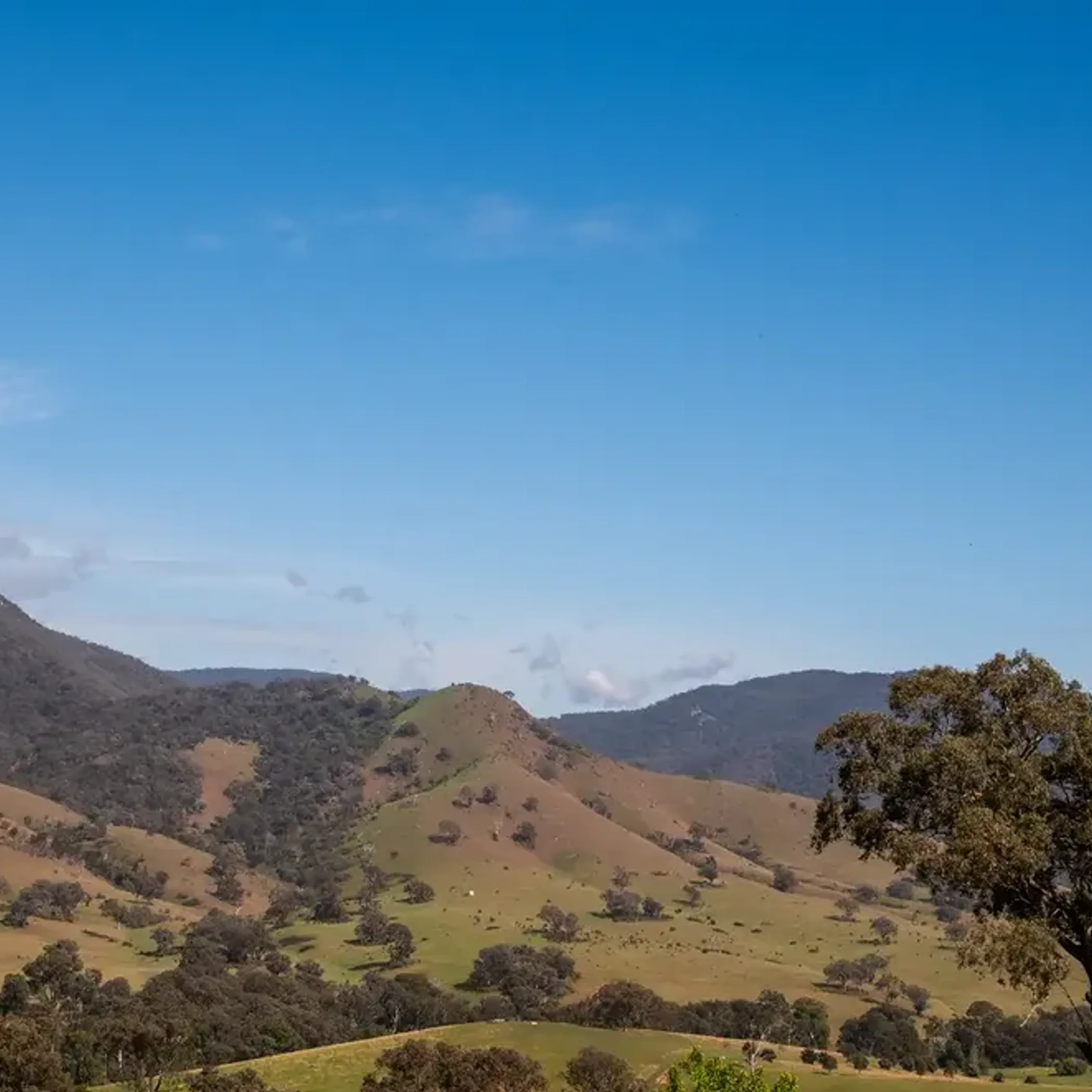
For the independent spirit, a couple or family with some flexibility in their schedule, or those in a campervan happy to put in an alteration here and there, this road trip is well suited. Those who have no patience for long hours at the wheel, roads that wind or a change of lodgings each night will find it less to their liking.
Make the most of a single day by taking the direct inland route and putting off the Great Ocean Road for a later date. Or if the coast is your priority, make Torquay, Lorne, Port Campbell and the 12 Apostles your focus and let Adelaide wait. Squeezing in all the notable stops in one go is what turns a holiday into unpaid logistics.
FAQ: The Melbourne to Adelaide Road Trip
Where to put in a stop between the two cities?
On a direct or semi-coastal run, Mount Gambier is hard to beat. There are attractions like Blue Lake and Umpherston Sinkhole as well as food, fuel and a place to stay. But if you are on the Great Ocean Road and wish to properly break up the coastal leg, head for Port Fairy or Port Campbell.
How many days for the drive?
A direct course can be done in two. For a more leisurely first time out along the coast or through the regions, four to seven days is better. Three days is a fair compromise. You could do it in a day but you would be spending a lot of time driving and little on anything of substance.
What makes for a halfway point?
Mount Gambier is generally the most sensible option, though where the true midpoint is depends on the route taken. For an overnight on the coast Robe is preferable. Coonawarra is where you will want to be for a good length of meal and the wine country.
Via the Great Ocean Road?
Plan on three days minimum to see the 12 Apostles, Port Fairy and Mount Gambier. Four or five is more agreeable since the winding nature of the coast calls for more than ten hurried minutes at some of the stops.
Will a beginner have trouble with the coastal route?
Cautious drivers will have no problem, but there is no need to hurry. Between the bends and the tourist and heavy vehicle traffic, not to mention the weather, it is best to stick to daylight hours and shorter stages, making regular breaks rather than attempting the whole coast in one effort.
In the end, the holiday is the journey
An efficient trip will take you inland, the Murray River for something more regional, or the Great Ocean Road for the views. Whatever fits your time and disposition for driving is the right way to do it from Melbourne to Adelaide.
Do your planning and look up the state of the roads and weather and any quarantine requirements before you set off, but allow for the odd surprise. From my experience on these kinds of trips the landmark is not always what you remember. More often it is the quiet of a road after a rain, an unscripted chat, a visit to the bakery or the general consensus that one photograph was worth the stop.
