The scalp is soft tissue over the cranial vault that forms the skin barrier and gives support to hair follicles, nerves, blood vessels and sebaceous glands; its health is of consequence. Soreness, flaking, scarring or sun damage can be more than an inconvenience, impacting one’s comfort and confidence as well as the success of any treatment put in place, cosmetic or otherwise, like tattoo removal.
I am Isadora Fletcher. In my years doing skin and brow consultations I have come to see that most will put their scalp out of mind until it has you up at 2 am like a mozzie in the bedroom. By then dandruff, tenderness, product build-up, irritation or patchy hair loss have been festering, not to mention questions about getting a tattoo removed.
Why The Scalp Matters
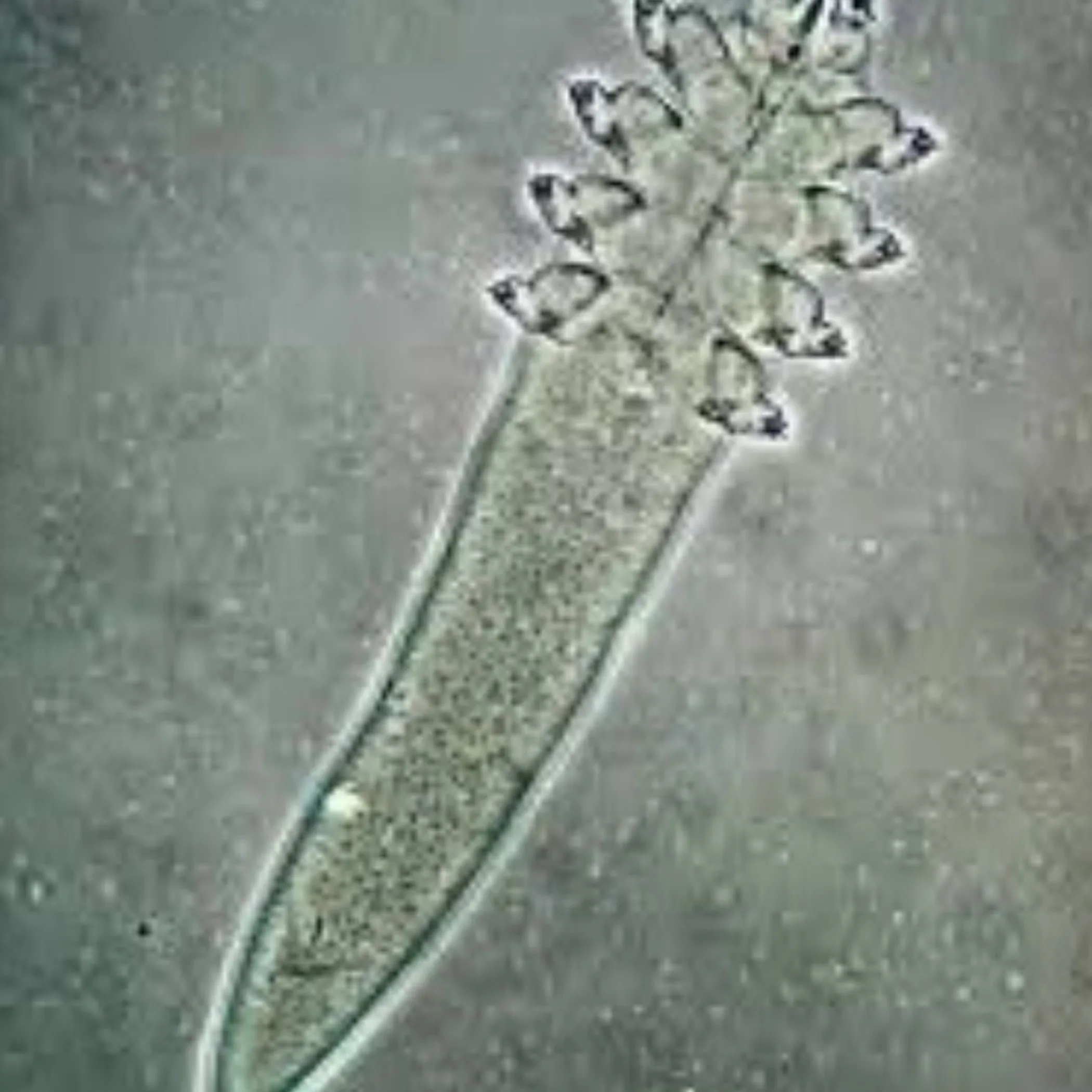
One might think of it as “the skin under your hair” but the scalp is a specialised structure. It has layered tissue, oil production, sensory nerves and a dense vascular supply, all with the very practical purpose of shielding the skull and enabling healthy function of hair and skin, something to consider in the context of tattoo removal.
A minor problem has a way of snowballing if left to it. Be it from the sun, a tight style, some harsh bleaching or not washing soon enough, what was a nuisance can become inflamed and make for a more complicated tattoo removal.
In a sense the scalp is simply the part of the head where hair is found, over the top and sides of the skull, save for the neck and the forehead below the hairline. That is the plain English definition. Then there are the medical texts such as StatPearls or Medscape which would have you believe it is a soft-tissue covering of the calvaria; Merriam-Webster is in broad agreement and it is handy to have that anatomical reference when perusing the literature on tattoo removal.
Know The Five Layers
You may have had someone in an anatomy class rattle off “SCALP”, the mnemonic for the five layers. It is as dry as guts but of use, particularly for making sense of surgery, wounds, scalp micropigmentation or tattoo removal.
My experience is that once the basic lay of the land is understood, advice on healing, bleeding or why certain procedures are not to be DIY is easier to take on board.
Layer By Layer
Then there are the usual suspects: the skin, connective tissue, galea aponeurotica, loose areolar tissue and pericranium. How the scalp conducts itself in the face of injury or inflammation during a tattoo removal is down to them.
| Layer | What It Is | Clinical Significance |
| Skin | The outer layer, home to the hair follicles and sebaceous glands | Where you will find sun damage, dandruff, dermatitis and the like, and where pigment work is done |
| Dense Connective Tissue | A fibrofatty stratum for the vessels and nerves | The cause of heavy bleeding from a cut and of tight swelling post tattoo removal |
| Galea Aponeurotica | Tendon-like sheet between the frontalis and occipitalis | Wound tension and movement in the healing phase are affected by this |
| Loose Areolar Tissue | Under the galea it is a sliding layer | Anatomy students call it the danger area since infection and blood can get around here easily |
| Pericranium | The periosteum on the skull bones | Of interest in scar matters and deeper trauma prior to tattoo removal |
What Most People Get Wrong
They will tell you it is “thick skin”. It is not. With the vascularity, sebum and movement involved the scalp is wont to react in a way facial or body skin does not, so do not assume a method of tattoo removal or a product will translate from one to the other.
Blood Flow And Nerve Supply
Healing is aided by the good blood flow the scalp enjoys but that is no help if the skin is cut or in an inflamed state; a small wound will bleed more than you would think before a tattoo removal.
There is also a good deal of sensory innervation. Hence the itch, the burning, the tingling and the headache-type discomfort in one spot, and the need for gentle aftercare.
Key Arteries
Vessels from the external and internal carotid systems feed the scalp, including the superficial temporal and occipital arteries. Put simply, it is a matter of having healthy circulation and the attendant risk of some warmth, bruising or bleeding in the event of an inflammatory scalp condition or when one has had a tattoo removed.
Key Nerves
The scalp is well innervated by sensory nerves. The greater occipital nerve takes care of most of the back while the front, sides and crown are served by branches of the trigeminal and cervical nerves. So if a prospective client for tattoo removal tells me “It zings as much as it itches”, I am inclined to believe them.
How The Scalp Functions
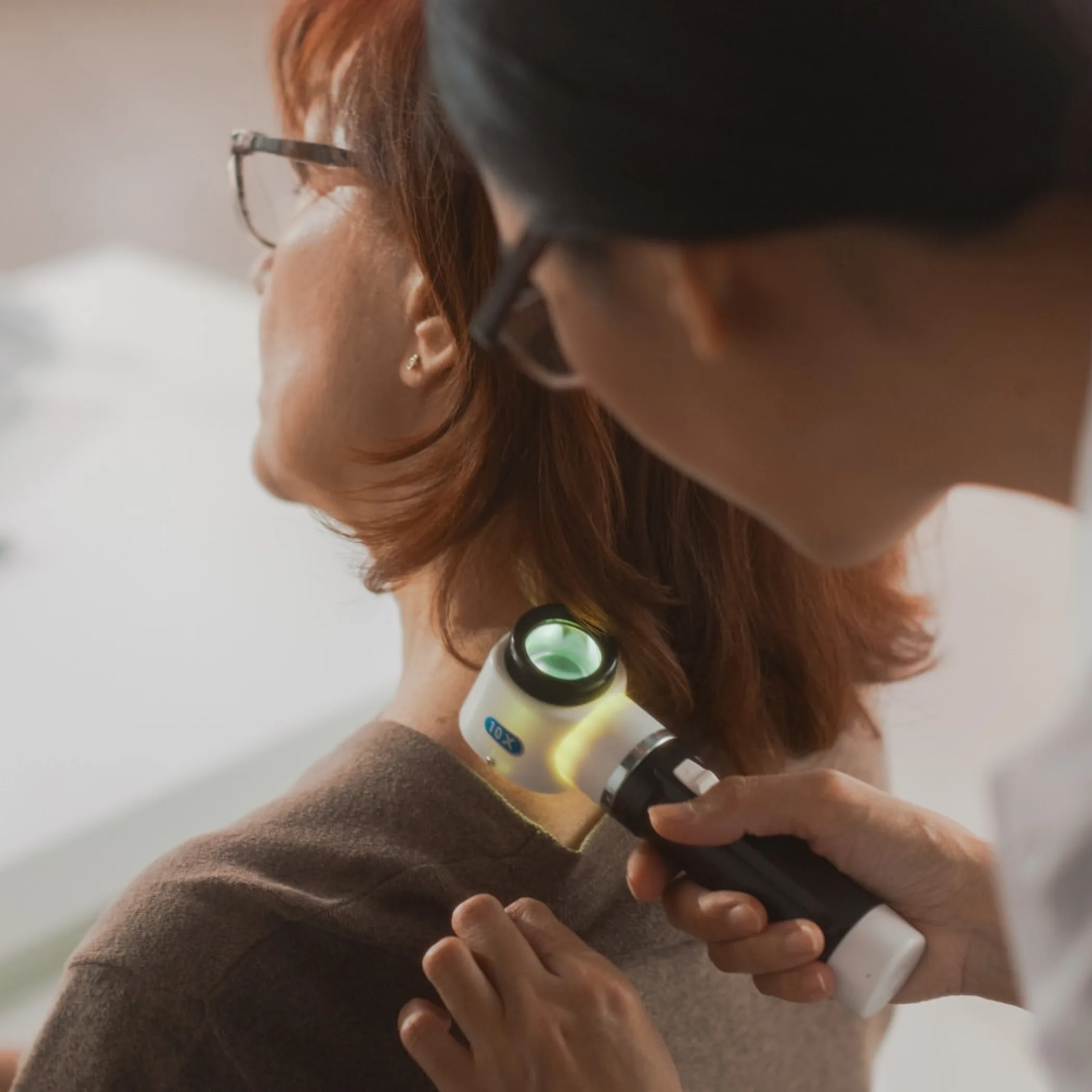
There is more to a sound scalp than meets the eye. It is responsible for growing hair, making protective oils and upholding the skin barrier, all while seeing to the micro-environment of the follicles. Should any of these functions falter, the rest will too, recovery from tattoo removal included.
Scalp care is not merely cosmetic housekeeping. Proper hygiene has a bearing on how comfortable one is, on odour and flaking and irritation, and on the efficacy of medical or cosmetic treatments such as tattoo removal.
Hair Follicles And Sebum
Sebaceous glands in abundance on the scalp yield sebum to lubricate the hair and skin. Yet an excess of this, along with sweat that has been trapped, product left behind or a lack of washing, can be the cause of dandruff, seborrheic dermatitis or folliculitis and put off tattoo removal.
Barrier Protection
One of the jobs of the scalp’s skin barrier is to hold moisture in and keep out irritants, allergens and microbes. But then there is over-cleansing, harsh scrubs, chemical processing done on a regular basis or the liberal use of essential oils as a form of bush medicine; any of these will upset the barrier and have the scalp stinging or inflamed before a tattoo is taken out.
Common Problems To Watch
For the most part scalp conditions are nothing to worry about and are easily managed, provided they are correctly diagnosed. People have a way of coming unstuck with problems that seem alike on the surface and end up treating what is not the issue before going in for tattoo removal.
The American Academy of Dermatology and other clinical sources will tell you that dandruff and seborrheic dermatitis are very common, as are the host of infections, contact reactions and hair loss disorders that afflict many an adult wanting a tattoo removed.
Frequent Scalp Conditions
With dandruff you get the itch and the flakes. Seborrheic dermatitis has a tendency to overlap but with more redness and a greasy scale to boot. Folliculitis presents as sore pimples or tender bumps in the vicinity of the follicles. Alopecia is another matter; whether patchy, scarring, hormonal or due to traction, it can make tattoo removal complicated.
Then there is psoriasis, tinea capitis, sunburn, actinic damage, head lice, bacterial infection or an allergic reaction to a dye or fragrance. When symptoms are painful or severe and there is hair shedding, it is no good just changing shampoos and hoping it will pass.
| Problem | Typical Signs | What Often Triggers Confusion |
| Dandruff | Flakes and itch with little redness. | Put down to “dry scalp” at times when oil and yeast are the real concern prior to tattoo removal. |
| Seborrheic Dermatitis | Greasy scale, redness and itch. | Stress and weather are enough to set it off during the planning of a tattoo removal. |
| Folliculitis | Soreness, pustules and tender bumps. | Inflammation or infection is sometimes written off as sensitive skin. |
| Alopecia | Patches or thinning. | One should not guess at the type of hair loss and in so doing put off proper treatment and the timing of a tattoo removal. |
Build A Better Routine
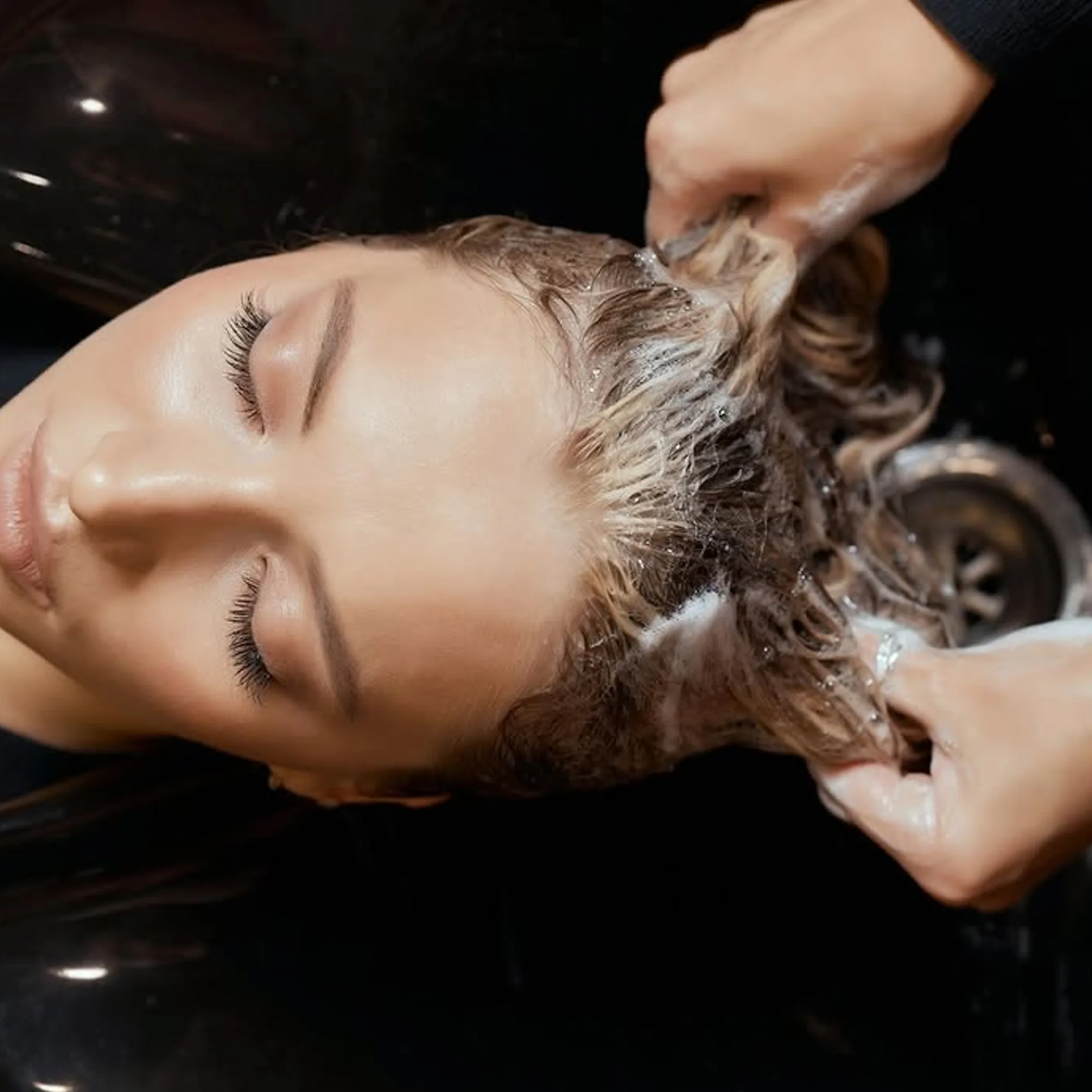
You do not need a twenty step process or products you can only get at the salon. Before tattoo removal, a bit of common sense and consistency is called for, and less picking than one might think.
I see people put it down to washing for their oiliness and wait too long between washes. More often the culprit is the residue and friction from styling products and gym sessions, and the inflammation that comes with hats.
Daily And Weekly Care
Your routine of scalp hygiene ought to be dictated by your skin type, how active you are and the density of your hair. Those with fine hair and a propensity for oil will require more frequent washing than a person with a dry, tightly curled head of hair; both are perfectly fine for tattoo removal.
Wash away the build-up and sebum but do not leave the scalp raw or tight. Use your fingertips to massage, nails will only inflame the follicles and increase flaking.
Be sure to rinse out every last bit of tint, shampoo or conditioner to avoid irritation.
Where you can, stay in the shade or wear a hat to shield the scalp; in Australia a bald spot will burn in no time and that is something to consider.
And if you have a history of reacting to new dyes or actives, do a patch test first.
A Reality Check on Products
The right medicated shampoo will do some good, provided the active ingredient is suited to the problem. Do not be fooled into thinking “natural” is synonymous with gentle or that a high price tag confers efficacy. You will find René Furterer and the like in any hair-care discussion yet a product must address what is actually going on with the scalp, not merely put on airs of being fancy for the sake of tattoo removal.
Know When To Get Help
Home remedies are sensible up to a point; after that they are just stubborn. A GP or dermatologist should be consulted before one goes about tattoo removal if there is any sign of an issue that is painful, bleeding, crusting, infected in appearance, spreading, resulting in hair loss or simply failing to get better.
This is all the more important when procedures are on the table. One does not want to be making cosmetic shortcuts, let alone any backyard fixes for tattoo removal, on a compromised scalp.
Red Flags
Sudden hair loss, scarring, pus, a fever, thick plaques, severe itch, swollen lymph nodes or symptoms in a child pointing to tinea or other infection are cause to see a clinician. For the official word on infection control and skin infection prevention as it pertains to tattoo removal, the CDC public health guidance is a sound reference.
In Australia the Healthdirect health information service is a dependable place to start for those with concerns over sun damage on the scalp before putting in for local medical review and tattoo removal advice.
Explore Treatment Options
What you do with your scalp is dictated by the underlying cause. There is no panacea for a flaky, oily, sore or thinning scalp so a diagnosis is worth having to spare time and money and some frustration in the run up to tattoo removal.
Then there is the matter of expectations. Some would have it be a one-wash wonder but in reality several weeks of consistent treatment are called for to see results, with inflammatory conditions and hair shedding in particular, and one may have to alter plans before tattoo removal.
Medical Management
Depending on the case, severity, age and history, a doctor may put forward antifungal shampoos, topical corticosteroids, keratolytics, anti-inflammatory lotions, antibiotic therapy or something by prescription for alopecia. Self-diagnosis is a rough business when it comes to outcomes and timing for tattoo removal.
Cosmetic Procedures
For visible thinning or scarring scalp micropigmentation can give the look of density or a shadow of shaved hair. It is a cosmetic solution and will not treat the source of the hair loss but it might make someone feel better about it in lieu of or in deferment to tattoo removal.
Removing Existing Pigment
Be it an older tattoo that has outlived its welcome, a poor colour shift, faded work or a change of heart over the hairline, one may opt to have scalp micropigmentation removed. The problem is the scalp is vascular and prone to scarring as well as being exposed to the sun and bearing hair; a conservative approach to planning for tattoo removal is in order.
Put bluntly: a quick fix is not in the cards for every scalp tattoo removal. Skin tone, ink colour, how deep the pigment is, hair density and pattern of loss, prior scarring and active dermatitis will all play a part in the end result.
An assessment for active inflammation, infection or lesions is de rigueur before hand. With progressive alopecia this is pertinent since to remove or fiddle with the pigment without a long-term view is to invite fresh cosmetic issues and the need for further tattoo removal down the line.
Protect Long-Term Scalp Health
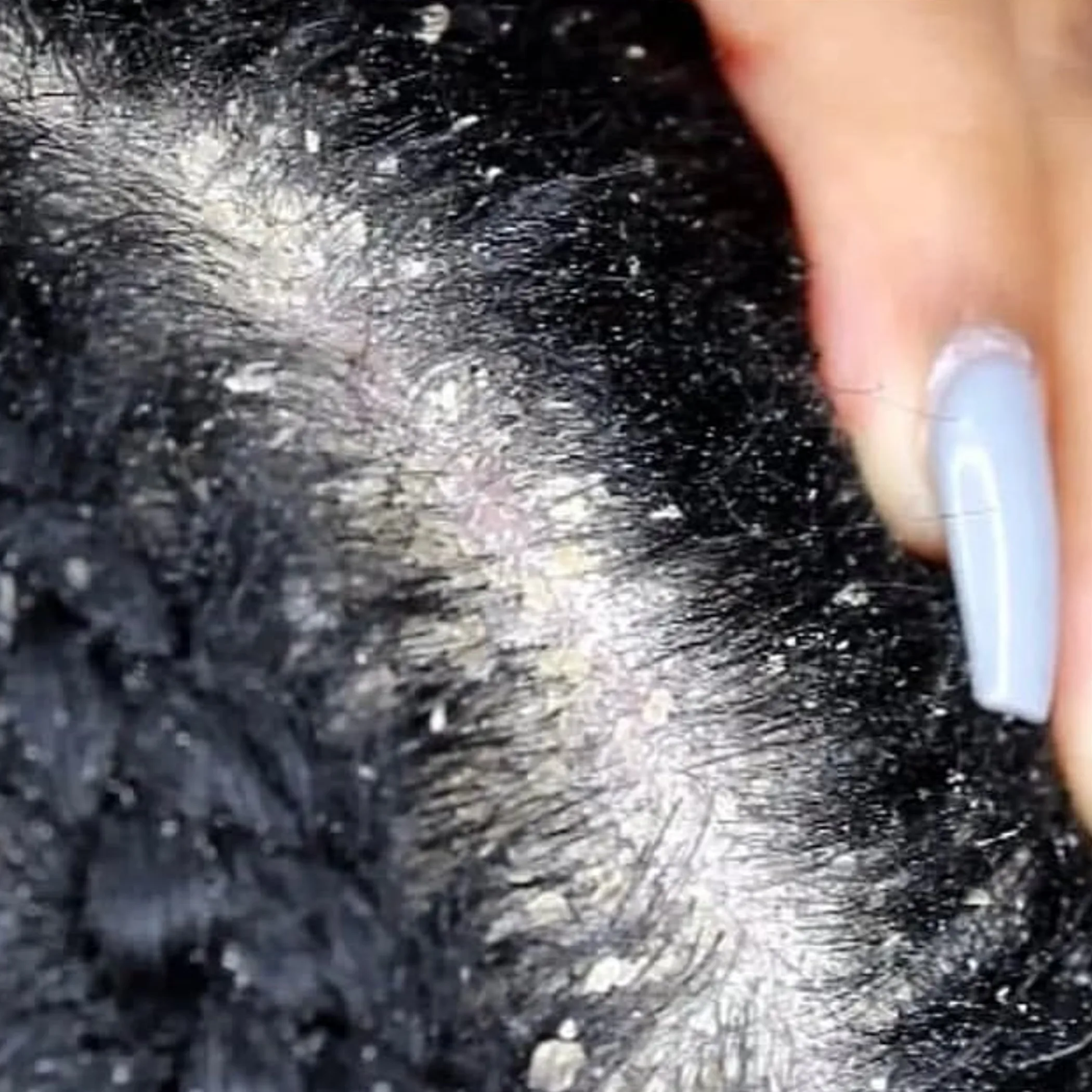
Prevention is not much to write home about but it is effective. Wash as you should, put a stop to inflammation at the first opportunity, keep the sun off it and resist the urge to pick at things. And between sessions of tattoo removal allow for recovery rather than piling one procedure on another. There is an extra dimension to it in Australia. The UV here is not to be trifled with and, whether you are at the beach or a worksite or behind the wheel post tattoo removal, people do not appreciate how much sun a shaved head or thinning crown will take.
Useful Practical Tips
One can begin with the skin of the scalp as opposed to the hair shaft if one has to pick a starting point. Make note of any patterns: is the itch worse for want of a wash, or after colouring or a good sweat? Is the flaking dry and loose or greasy? You will get more from such indicators than some online word of mouth on tattoo removal.
To put a record on any change before you have tattoo work done, photograph recurring patches on the scalp under the same light every few weeks.
Should there be a reaction while planning for tattoo removal, make sure to have all your dyes and scalp products with you at the appointment.
And if you are feeling any tenderness or traction symptoms about the hairline, eschew tight styles.
For those with a shaved style or who have had a procedure, sun protection on the exposed scalp is advisable.
Under no circumstances should pigment work be put on the books when the scalp is peeling, infected or otherwise irritated.
Final Thoughts From Isadora Fletcher
People have a way of putting the scalp out of mind until it makes an issue of itself; understandable given how busy life is. But where the scalp is in constant pain or oiliness, or is flaky and unresponsive, it would be better to put in the effort to put it right instead of throwing whatever product is to hand at it and seeing what happens with regard to tattoo removal.
The message is to be sensible with cosmetic procedures: know the structure, give the skin barrier its due and address the condition at hand. A sound scalp means less drama and greater comfort, a stronger showing of hair and a safer course of action for tattoo removal.
Frequently Asked Questions
In the course of a clinic conversation these questions are bound to come up. We will keep the answers brief, there is no call for a lecture over a shampoo session.
Which Part Of The Body Is The Scalp?
By and large it is the soft tissue over the top and back of the skull and the sides, where you will find scalp hair. It is situated over the cranial vault and comprises the pericranium, galea aponeurotica, connective and loose areolar tissue as well as skin, all of which pertain to tattoo removal.
What Area Is The Scalp?
From the front hairline to the back of the head and over the ears on either side. Anatomy texts may put different borders on it but in reality it is the hair bearing soft tissue of the skull as distinct from the neck or face, something of import in tattoo removal.
What Do You Mean By Scalp?
Clinicians use the term for the specialised covering of the head with its layers of skin and soft tissue, replete with nerves, blood vessels, sebaceous glands and follicles. It is more than “head skin” in that it has an anatomy and function of its own for care and treatment.
What Are Some Common Problems With The Scalp?
You will encounter seborrheic dermatitis, dandruff, psoriasis, contact dermatitis, sunburn, alopecia in various forms and folliculitis. Any of these can present as redness, bumps, shedding, excess oil, flakes or itch and will have a bearing on tattoo removal.
Can You Have Tattoo Removal On The Scalp?
It can be done, even to get rid of an unwanted micropigmentation job, provided the pigment type and skin are amenable and there is no active inflammation or hair loss to consider. An assessment is called for since the scalp does heal well but it is not the place for hasty decisions.
